

Darkwear vs Techwear: Understanding the Differences
Two silhouettes. Same city. Opposite philosophies.
Darkwear and Techwear both live in the black end of the spectrum, both reject mainstream fashion, both attract people who refuse to dress like everyone else. But underneath the surface, they couldn't be more different.
One is built on rebellion, shadow, and aesthetic defiance. The other is engineered for performance, modularity, and the future of urban movement. Understanding the difference between the two isn't just about knowing what to wear. It's about knowing who you are.
This guide breaks both styles down to their core: where they come from, what they're made of, and how to tell them apart when it matters.
The Enigmatic Roots of Darkwear
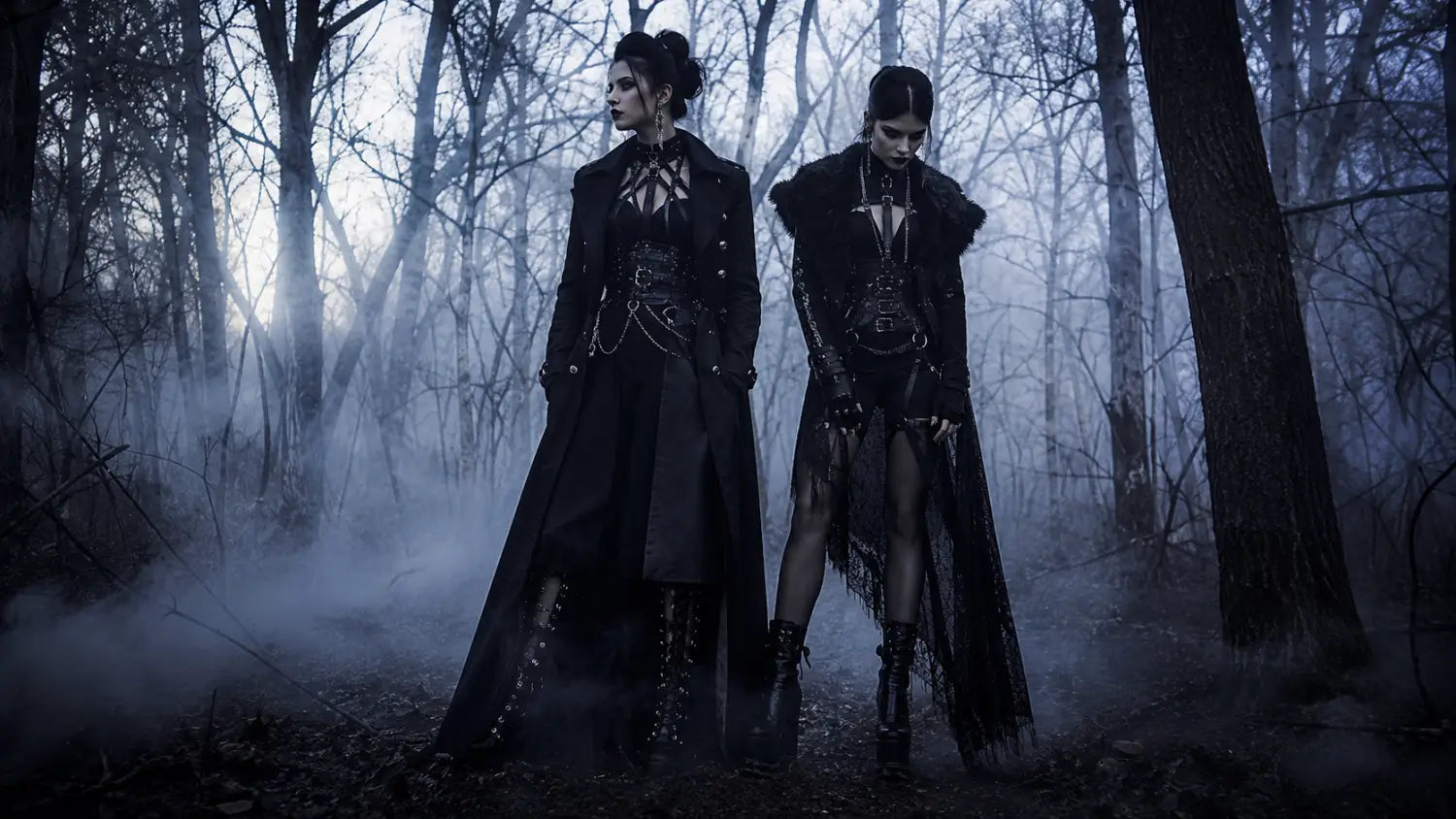
Darkwear didn't start on a runway. It started underground.
Born from the collision of gothic subculture, post-punk music, and countercultural art movements of the 1980s and 1990s, Darkwear is fashion as resistance. It draws from the visual language of darkness itself: mortality, mystery, the parts of human experience that mainstream culture prefers to ignore.
What separates Darkwear from simple "dark clothing" is intentionality. Every asymmetric cut, every raw seam, every oversized silhouette that swallows the body whole is a deliberate refusal of conventional proportion and social readability. Darkwear doesn't want to be understood at first glance. That opacity is the point.
The style found its contemporary form through designers like Rick Owens and Yohji Yamamoto, who translated gothic and punk sensibilities into high fashion without softening them. Today, Darkwear sits at the intersection of avant-garde fashion, subculture, and street credibility, worn by people who see clothing as a statement of identity rather than a social uniform.
The Techwear Revolution
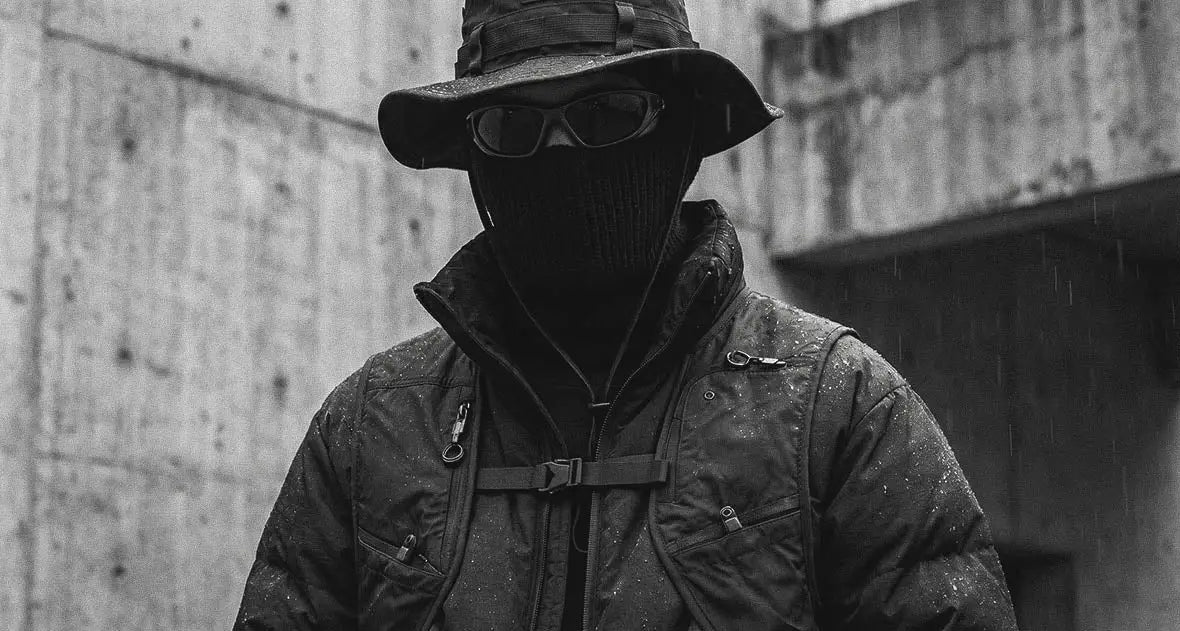
Techwear came from a different kind of dissatisfaction.
Not rebellion against aesthetics, but frustration with limitation. In the early 2000s, a generation of designers and consumers started asking a simple question: why can't clothing perform as well as it looks? Why should a jacket be waterproof or stylish, but never both?
The answer was Techwear. Built on advanced technical fabrics originally developed for outdoor performance and military applications, Gore-Tex, Dyneema, Schoeller, Techwear brought functional engineering into urban fashion. Waterproofing, breathability, modular attachment systems, articulated construction for unrestricted movement: these became as important as silhouette and color.
Brands like ACRONYM and Stone Island Shadow Project pushed the aesthetic further, developing a visual language that was distinctly futuristic: clean lines, muted palettes, tactical detailing that reads as both urban and post-human. Techwear is the fashion of a world that hasn't arrived yet, worn by people who are already living there.
A Tale of Two Styles: Darkwear and Techwear
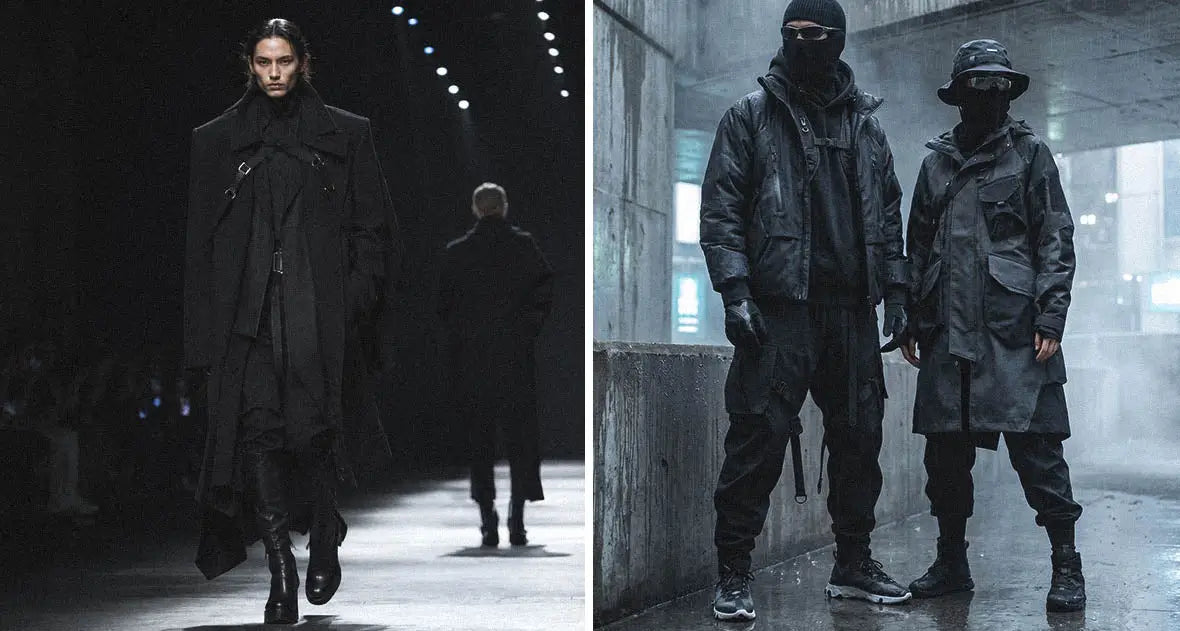
At first glance, Darkwear and Techwear occupy the same visual territory. Both default to black. Both reject conventional silhouettes. Both attract people who find mainstream fashion too safe, too legible, too easy.
But their foundations are completely different.
Expression vs Engineering
Darkwear is rooted in emotion and identity. It asks: what does this clothing say about who I am and what I reject? Its references are cultural and subcultural, gothic literature, post-punk music, dystopian fiction, the long tradition of using darkness as aesthetic and philosophical stance.
Techwear is rooted in function and innovation. It asks: what can this clothing do that standard clothing cannot? Its references are technical and futuristic, materials science, ergonomic design, military and outdoor gear, the architecture of the city as environment to navigate.
One style is built to express. The other is built to perform. The most interesting territory is where they overlap: the dark, functional, forward-facing aesthetic that both styles share when pushed to their limits. That overlap is where TECHWEAR STORM™ lives.
Decoding the Elements: Darkwear and Techwear
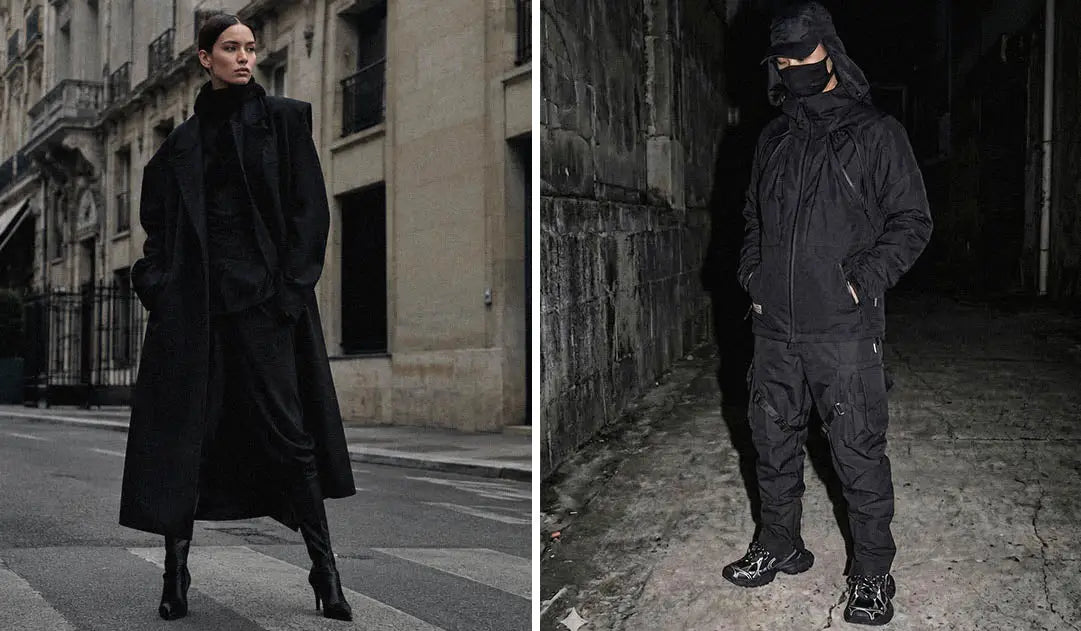
Decoding the Elements: Darkwear and Techwear
Going beyond surface aesthetics means understanding what actually defines each style at the level of palette, material, and construction. Both Darkwear and Techwear have developed their own distinct visual grammar, and knowing it makes it easier to build a wardrobe around them intentionally.
Darkwear Unveiled
Palette
The Darkwear aesthetic runs deep: black first, then charcoal, then the occasional dark grey or washed-out tone that reads as color only in contrast to everything else around it. Color is not the point. The absence of it is.
Materials
The materials are heavy and intentional. Raw wool, distressed leather, dense cotton, faux fur in deep blacks, fabrics chosen for their weight and texture as much as their look. Darkwear garments carry a physical presence. You feel the clothing when you wear it.
Construction
The construction is where Darkwear becomes art. Asymmetric hems that fall differently on each side. Oversized silhouettes that reshape the body rather than reveal it. Raw exposed seams that show the construction process rather than hiding it. Layering that builds visual complexity without noise. Darkwear borrows from tailoring, deconstruction, and sculpture simultaneously, clothing that reads differently from every angle, at every distance.
The Techwear Aesthetic
Palette
Techwear's palette is disciplined by design. Black, charcoal, navy, olive, stone, urban camouflage colors that disappear into the city rather than standing out from it. Where Darkwear uses black as a statement, Techwear uses it as a baseline.
Materials
The materials are where Techwear separates itself from everything else. Gore-Tex laminates, Schoeller fabrics, Dyneema composites, these aren't fashion materials. They're engineering solutions applied to clothing. Waterproof yet breathable, strong yet lightweight, built to perform in real urban conditions rather than simulate them.
Construction
The design language is modular and precise. Multiple pockets positioned for actual use, not decoration. Attachment points for bags and accessories that integrate into the garment's construction. Articulated panels at the knees and elbows for unrestricted movement. Magnetic closures and YKK zippers built to last years of daily use. Techwear is dressed-down in palette and maximal in engineering, the opposite of most fashion logic.
Visual Contrasts
Side by side, the difference becomes immediately readable. Darkwear builds its visual weight through layering, drape, and asymmetric construction, the silhouette is architectural, fluid, deliberately imprecise. Techwear builds its visual weight through modularity, technical detailing, and geometric precision, the silhouette is clean, structured, purposefully exact. Two approaches to the same refusal: clothing that refuses to be ordinary.
Fashion Meets Function
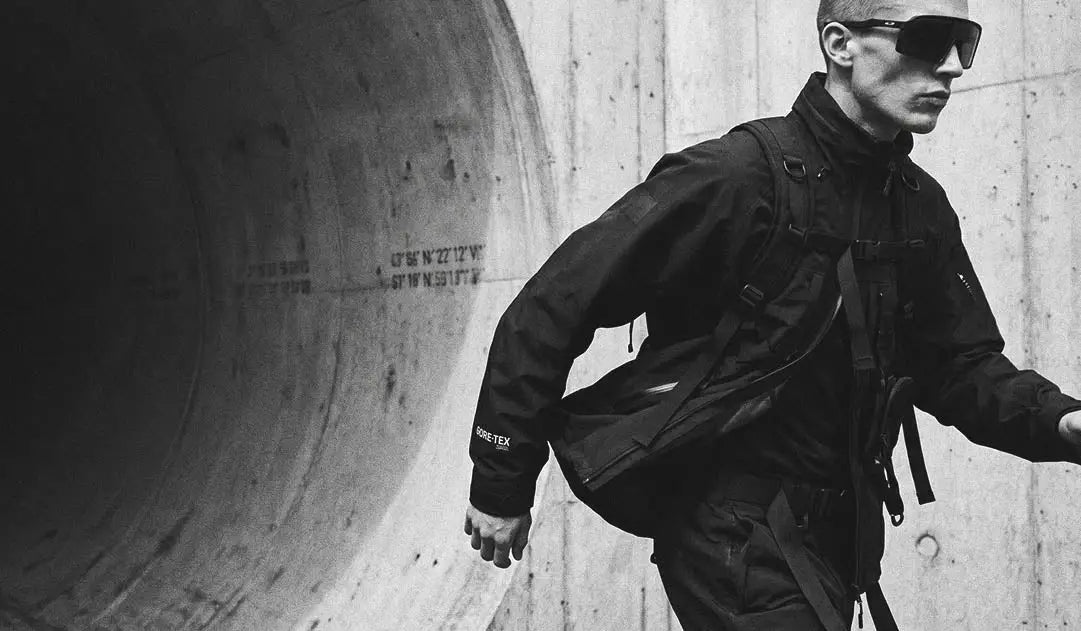
Both Darkwear and Techwear reject the idea that clothing should be purely decorative. But they resolve that rejection in opposite ways.
Aesthetic Impact
Darkwear makes its impact through presence. A well-executed Darkwear outfit commands attention through silhouette and weight, not through color, logos, or visible branding. It's confrontational without being loud. The aesthetic does the work that conventional fashion assigns to accessories and embellishment.
Techwear makes its impact through restraint. At a distance, a Techwear outfit often reads as minimal, clean lines, muted color, no obvious statement. Up close, the construction reveals itself: the technical seams, the modular pockets, the hidden zippers. The impact is for people who know what they're looking at.
Practicality in Style
Techwear holds a clear functional advantage in daily urban use. Weather resistance, temperature regulation, freedom of movement. Techwear performs as well as it looks, and in some cases performs better than technical outdoor gear at a comparable price point.
Darkwear makes different demands. The heavy fabrics, the layered construction, the oversized silhouettes. Darkwear is clothing you commit to wearing, not clothing that disappears into your day. That commitment is part of what it communicates. You're not wearing Darkwear by accident.
The Trendsetters: Brands and Designers
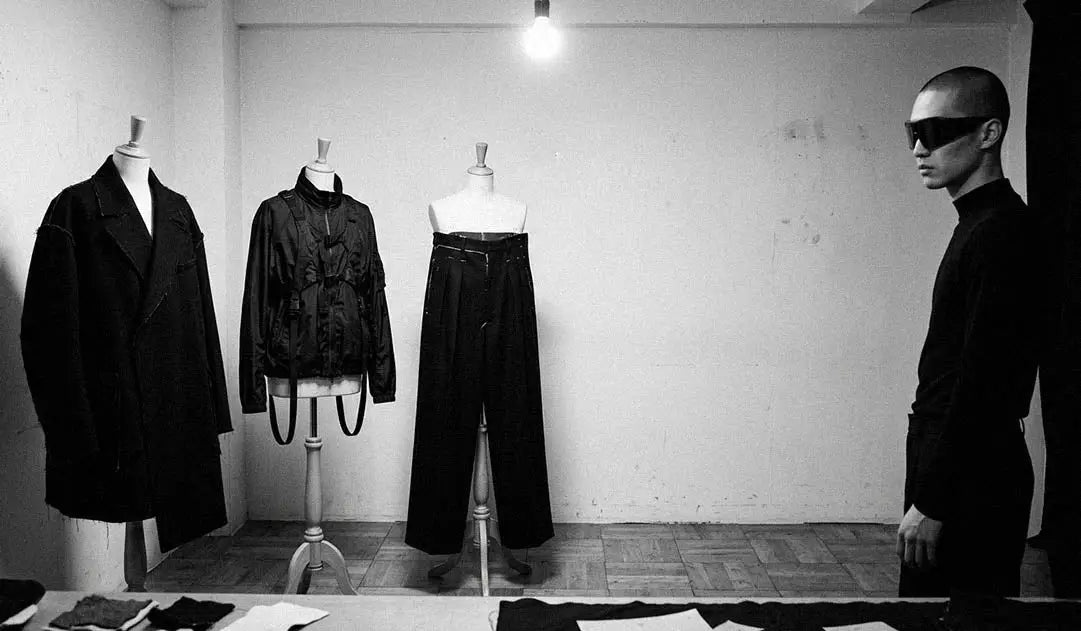
Both styles are backed by some iconic brands and designers, each contributing to their evolution and popularity.
Darkwear’s Icons
In the world of Darkwear, the key players are always Rick Owens and Yohji Yamamoto. They both have the mastery of being able to bring these influences of gothic into modern fashion and turning them into pieces that make more of a statement than being actual clothes.
Techwear’s Visionaries
Always in the forefront of Techwear are brands like ACRONYM and Stone Island, not only making clothes but constantly pushing forward what clothing can be with advanced materials and futuristic designs
Reading the Market
Seeing the contemporary tendencies, it becomes obvious that Darkwear and Techwear have managed to find their own, separate audiences.
Darkwear will appeal to those who dare to make their own statement and provide a sense of avant-garde. Techwear, being enabled by practicality and new technologies, offers current generation functionality to an equal level of their style sensibility.
Who Wears the Future: Understanding the People Behind the Styles
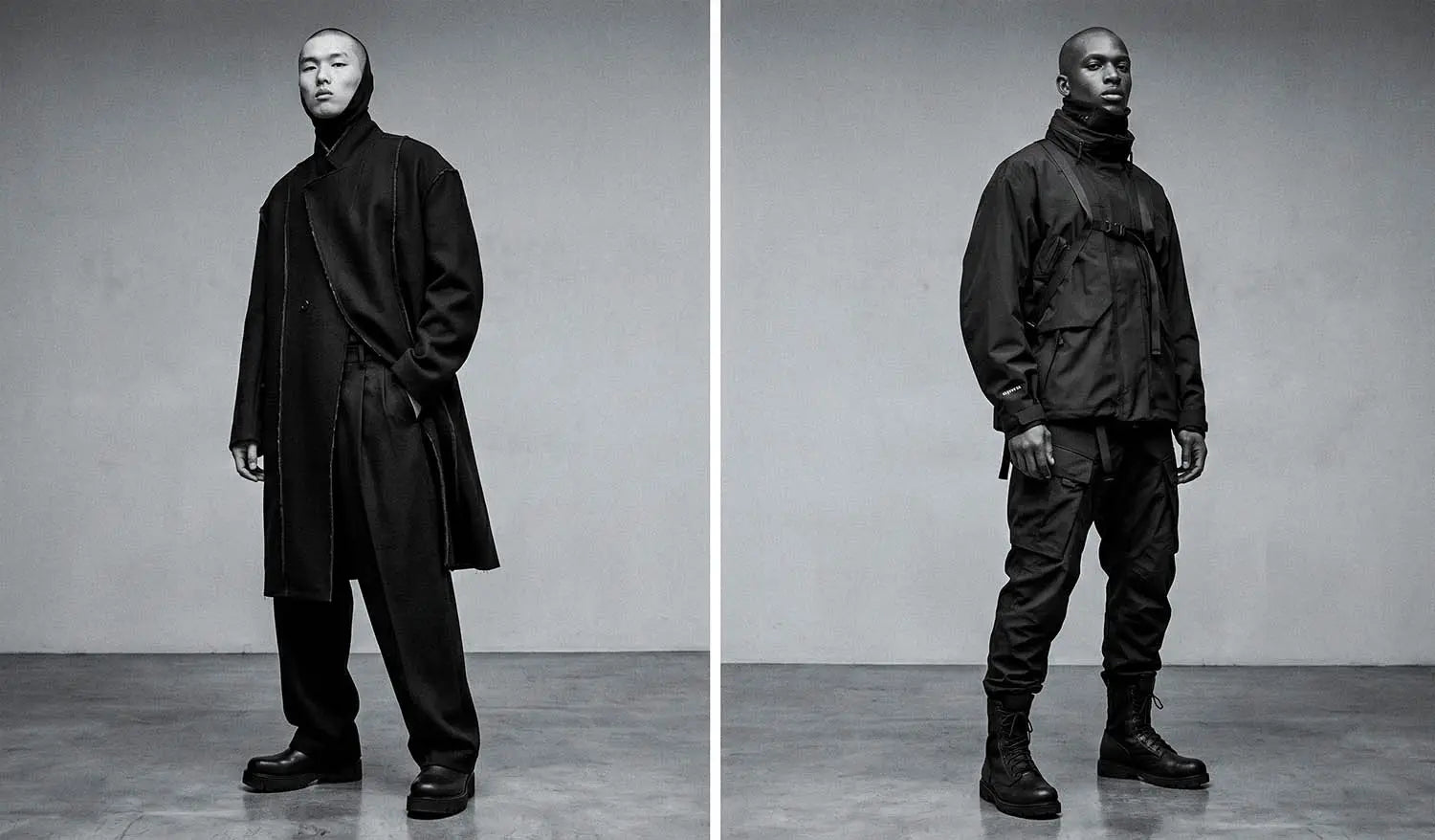
Who Wears the Future: Understanding the People Behind the Styles
Style doesn't exist in a vacuum. The people who wear Darkwear and Techwear are as distinct as the aesthetics themselves, and understanding who they are helps clarify what each style is really about.
The Darkwear Aficionados
The Darkwear wearer isn't chasing trends. They're building a wardrobe that reflects a genuine point of view: one that finds more truth in shadow and complexity than in brightness and simplicity. They tend to come from creative, artistic, or subcultural backgrounds, or at minimum feel a deep affinity with them.
For the Darkwear wearer, clothing is not a social signal in the conventional sense. It's a refusal of certain social signals: an opt-out from the legibility that mainstream fashion demands. Wearing Darkwear is a deliberate act of self-definition that happens to manifest as clothing.
Techwear: The Functional Fashionistas
The Techwear wearer thinks differently. They want clothing that doesn't compromise: performance and aesthetics treated as equally non-negotiable. They tend to be detail-oriented, research-driven people who spend time understanding what they're buying before they buy it.
The Techwear community has a strong DIY and modification culture: people who customize their gear, combine pieces from different brands into modular systems, and treat their wardrobe the way others treat their tools. Techwear is equipment as much as it is clothing.
Cultural Currents and Style
Both styles are products of broader cultural pressures. Darkwear emerged from subcultures that needed a visual language for dissent and individuality in a world of increasing conformity. Techwear emerged from a culture that increasingly values optimization, performance, and technology as extensions of the self.
Neither is a niche anymore. Both have moved from underground to mainstream-adjacent without losing their core identity: which is the mark of a style with genuine cultural roots rather than trend-cycle origins.
Unraveling the Fabric: A Conclusion

Unraveling the Fabric: A Conclusion
Darkwear and Techwear tell two different stories, but they share the same opening line: conventional fashion isn't enough.
Darkwear answers that with identity, weight, and shadow. It builds clothing that means something beyond its function, that carries a history and a point of view. It dresses you in your own refusal.
Techwear answers it with engineering, modularity, and forward motion. It builds clothing that does something beyond its appearance, that performs as well in rain as in a gallery, that treats the city as the environment it actually is. It dresses you for the world as it's becoming.
The two styles are not at odds. The most interesting wardrobes pull from both: the sculptural silhouette of Darkwear grounded by the functional construction of Techwear, or the technical performance of Techwear given weight and presence by Darkwear's palette and proportion.
Whether you're drawn to one, the other, or the space between them, the principle is the same: wear clothing that means something. The rest follows.




Leave a comment
This site is protected by hCaptcha and the hCaptcha Privacy Policy and Terms of Service apply.