
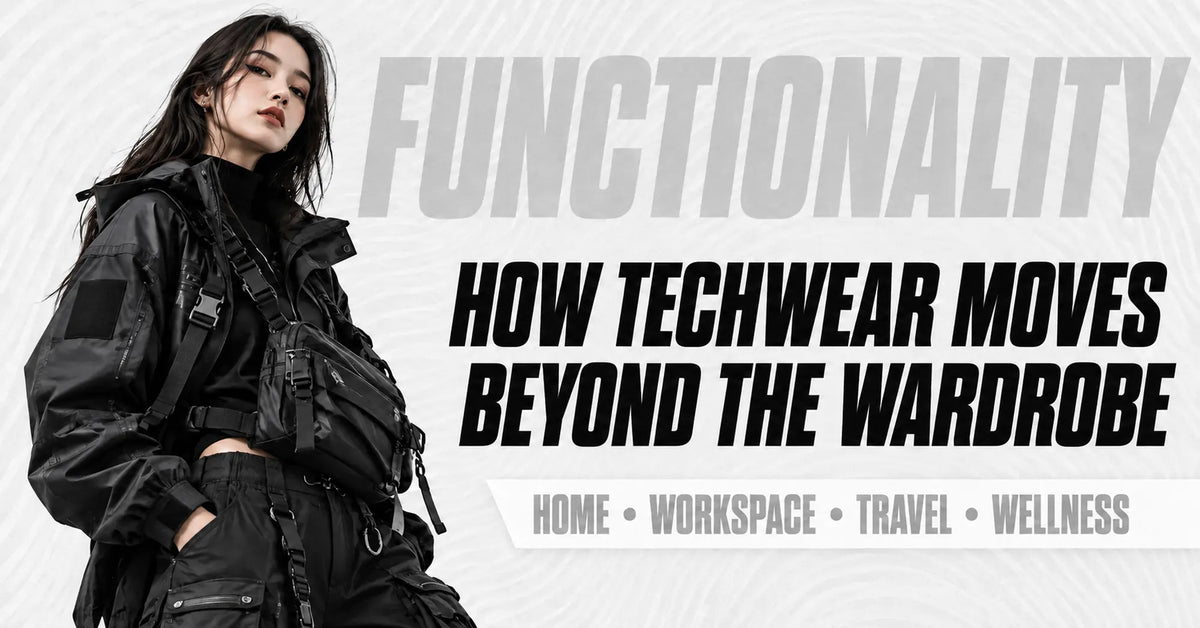
How Techwear Fans Are Bringing Functionality Into More Than Just Their Wardrobe
Techwear has always been about more than appearance. Its appeal comes from the idea that clothing should solve practical problems through thoughtful materials, modular design, weather resistance and efficient use of space.
That mindset is increasingly extending beyond jackets, trousers and bags. People drawn to functional clothing often apply the same thinking to their homes, workspaces, travel gear and wellness routines. Rather than choosing products purely because they look good, they tend to ask whether something makes everyday life easier, more comfortable or better organised.
The result is a broader approach to lifestyle design in which usefulness matters just as much as aesthetics. A carefully chosen piece of equipment, a cleaner workspace or a compact home upgrade can fit the same philosophy as a jacket with strategically placed pockets. In each case, the goal is to reduce friction and make the environment work better.
Functionality Is Moving From Clothing Into the Home

One of the core ideas behind techwear is preparedness. Clothing is often selected for changing weather, movement and situations that cannot always be predicted in advance.
The same logic can be applied indoors. Someone improving a workshop, renovation area or other space where dust and airborne particles may become an issue might consider equipment such as a portable air scrubber. It is a very different product from a technical jacket, but the thinking behind the choice is similar: identify a practical problem and use specialised equipment to manage it more effectively.
This functional approach can influence everything from storage to lighting.
Instead of filling rooms with decorative objects, some people prefer fewer items that each serve a clear purpose. Furniture with integrated storage, adjustable lighting and equipment that can be moved between spaces all fit naturally into that philosophy.
Wellness Spaces Are Becoming More Purpose-Built
Function-focused living does not have to mean turning a home into an industrial workspace. Comfort and recovery can be approached with the same attention to purpose.
Home wellness is one area where that thinking becomes especially visible. Rather than treating relaxation as something that requires a trip elsewhere, people are increasingly interested in creating dedicated spaces for it at home. Resources such as saunakits.com fit into this broader interest in purpose-built environments that give a specific part of the home a clear function.
The appeal is similar to building an effective training area or organised desk setup. When a space has been designed around one activity, there is less need to improvise every time it is used.
A small corner devoted to stretching, recovery or quiet time can follow the same principle even without major construction.
Modular Design Works Beyond the Wardrobe

Techwear enthusiasts often appreciate modular clothing because it allows one item to adapt to different situations.
That idea can be transferred directly into the home.
Movable shelving, stackable storage and furniture that can serve more than one purpose are especially useful in smaller spaces. A room may need to function as an office during the day and a social area in the evening, so permanent arrangements are not always the best solution.
The advantage of modular design is flexibility.
Instead of trying to predict every future need, people can create spaces that are easy to rearrange. This is particularly useful for renters or anyone who expects their routine to change over time.
The same thinking applies to tools and equipment. Compact items that can be stored easily or moved where needed often provide more value than highly specialised products that permanently occupy space.
Organisation Becomes Part of the Aesthetic
Another feature of techwear is the emphasis on access. Pockets, compartments and attachment points are placed where they can be reached quickly.
Homes can benefit from the same approach.
Frequently used items should be easy to find and return to their place. Charging cables, keys, cleaning tools and work equipment often create clutter because they do not have an obvious storage location.
Creating designated zones can solve much of that problem.
A tray by the entrance, labelled drawers or hooks positioned where items are actually used may seem simple, but they reduce small frustrations throughout the day.
Organisation then becomes part of the visual character of the space. A room feels calmer not because everything has been hidden, but because the things that remain visible appear intentional.
Durability Matters More Than Constant Replacement
Technical clothing often attracts buyers who are interested in durability as much as style.
That preference can shape purchasing decisions elsewhere. Instead of repeatedly replacing inexpensive household items, it may make more sense to choose fewer products designed for regular use.
Durability does not always mean buying the most expensive option. It means paying attention to construction, materials and whether the product is appropriate for the job.
This can apply to furniture, storage, tools and everyday accessories.
A product that performs reliably for years can fit a function-first lifestyle better than something trendy that quickly needs replacing. It also reduces the amount of time spent researching and shopping for the same type of item again.
A Functional Lifestyle Is Really About Reducing Friction
The connection between techwear and home design is ultimately less about appearance than it is about problem-solving.
A technical wardrobe reduces the need to carry unnecessary items or worry as much about changing conditions. A functional home tries to do something similar by making daily tasks easier and spaces more adaptable.
That does not mean every object needs to look futuristic or serve multiple purposes.
Instead, it means making deliberate choices. Equipment should solve a real problem, storage should reflect actual habits and wellness spaces should support activities people genuinely use.
For techwear fans, this way of thinking can extend naturally into almost every part of daily life.
Functionality becomes less of a fashion trend and more of a general principle: keep what works, design around real needs and remove unnecessary complications wherever possible.



Leave a comment
This site is protected by hCaptcha and the hCaptcha Privacy Policy and Terms of Service apply.