

What is avant-garde fashion? The Complete Guide
Avant-garde fashion is clothing designed to push boundaries rather than follow trends. That is the short answer, and if you came here looking for a definition, you can stop reading right there.
But if you actually want to understand what this style is, where it comes from, who built it, and how to wear it in 2026 without looking like you wandered out of a runway show by mistake, this guide will walk you through everything you need to know.
Most articles about avant-garde fashion are written for people who already know what it is. They name-drop designers, throw around French terms, and assume you already speak the language. This is not that kind of article.
We are going to break down the entire movement in plain English, with real examples, comparison tables, and a clear path for anyone who wants to start dressing this way without spending four figures on a single jacket. By the end, you will know the history, the codes, the major designers, and the difference between avant-garde and every other dark fashion category you have probably been confusing it with.
Whether you discovered this style through Rick Owens shows on Instagram, through the wide-leg trousers that suddenly took over fashion in 2024, or through the dark aesthetic of artists like Playboi Carti, you are about to understand exactly what you are looking at. Let's get into it.
What Does Avant-Garde Mean in Fashion?
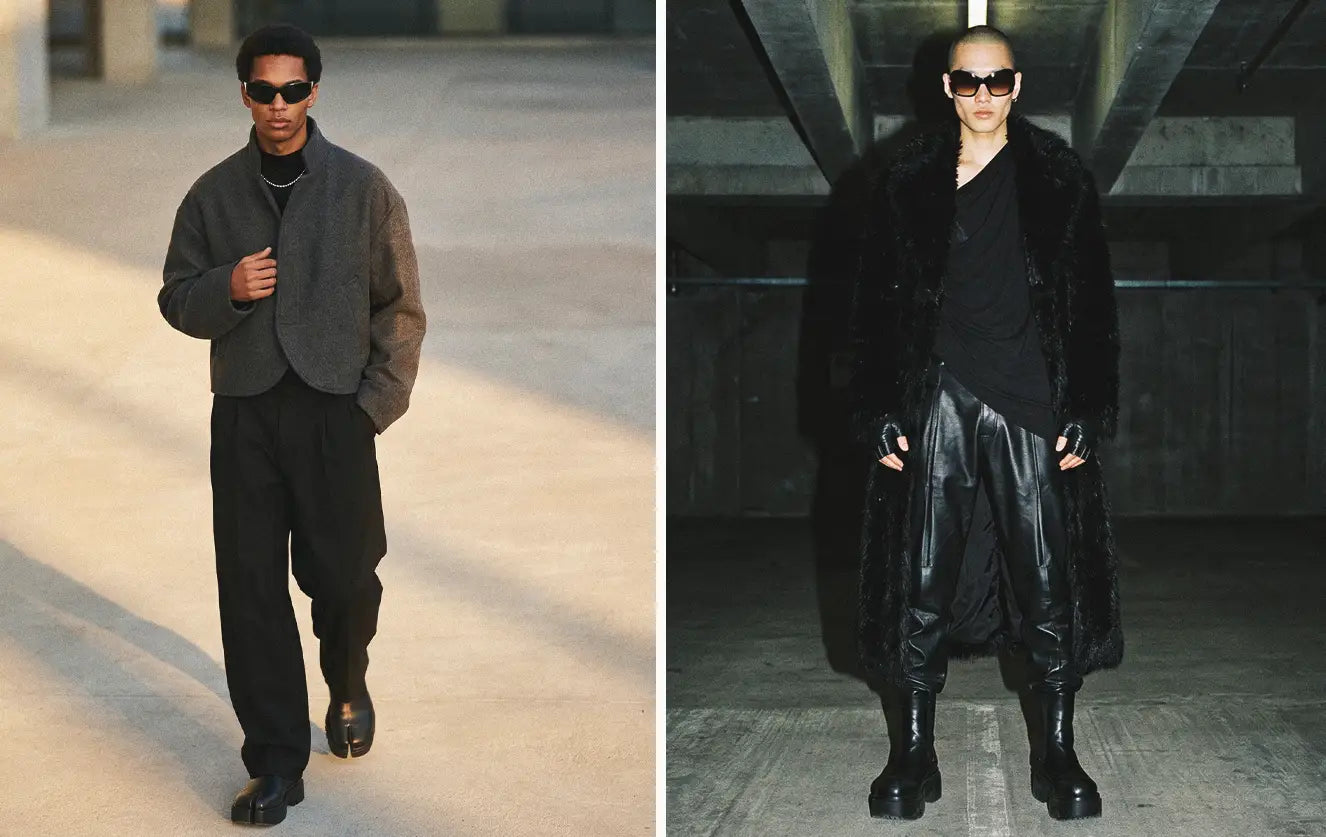
The word "avant-garde" sounds intimidating, but the concept behind it is actually pretty simple. Once you understand what the term means literally and how it applies to clothing, everything else falls into place. Most of the confusion around this style comes from people misusing the word to describe anything that looks unusual or expensive, when the actual meaning is much more specific.
The Literal Meaning: A French Military Term
"Avant-garde" is a French phrase that literally translates to "advance guard" or "vanguard." In military terms, it refers to the troops positioned at the front of an army, the ones who move into hostile territory first and take the initial impact of any encounter. It is not a flattering position. It is dangerous, exposed, and often results in heavy losses. But it is also essential, because without an advance guard there is no path forward for the rest of the army.
When the term migrated into the arts in the late 1800s, it kept this same meaning. Avant-garde artists are the ones who move into uncharted creative territory first, taking the cultural hits for ideas that everyone else will eventually accept as normal twenty years later. In fashion, this translates to designers who refuse to follow trends, refuse to produce what sells, and instead push the medium itself forward through experimentation that often gets dismissed as ugly, unwearable, or pretentious at the time it appears.
Avant-Garde in Fashion vs Other Creative Fields
Avant-garde existed in painting, sculpture, music, and literature long before it reached fashion. Picasso, Stravinsky, Joyce, Duchamp: all considered avant-garde in their respective fields decades before clothing designers caught up. Fashion arrived late to this conversation because clothes are fundamentally functional objects, and the industry around them is driven by commercial demand. It took a long time before designers were willing to make garments that openly rejected wearability in favor of pure artistic statement.
What makes fashion's avant-garde unique compared to the other arts is its proximity to the body. A painting hangs on a wall, but a garment is worn on a living person who walks through the world wearing it. This means avant-garde fashion has to negotiate something the other arts never have to deal with: it has to be physically possible to wear, even if it is not practical. Many of the most celebrated avant-garde pieces in fashion history barely qualify as wearable, which is exactly the point.
Avant-Garde Is Not the Same as Trendy
This is the single biggest misconception about avant-garde fashion, and clearing it up makes everything else easier to understand. People often assume "avant-garde" means "ahead of the trends." It does not. Avant-garde designers are not predicting what will be popular next season. They are operating completely outside the trend cycle, making clothes that may never become popular and often actively resist the idea of mass appeal. As one well-known fashion writer put it, avant-garde designers are not ahead of trends, they are immune to them.
This distinction matters because it changes how you should think about buying or wearing this style. You are not chasing a moment. You are buying into a philosophy that has remained consistent for forty years and will remain consistent for another forty. The wide-leg pleated trouser that Yohji Yamamoto introduced in 1981 looks essentially the same in his 2026 collection. That is the opposite of trendy. That is timeless by design.
A Simple Definition Anyone Can Understand
Strip away all the theory and here is what avant-garde fashion actually is: clothing designed like sculpture instead of like clothes. The designer is not asking "how do I make a flattering jacket?" The designer is asking "what happens if I treat fabric the way an architect treats space?" The result is garments that are sometimes beautiful, sometimes confrontational, sometimes barely recognizable as clothing, but always thinking about form, proportion, and material in a way that mainstream fashion is not.
If you can hold that idea in your head, you have already understood more about avant-garde fashion than most people who claim to follow it. Everything else is just learning the specific designers, the historical context, and the visual codes.
A Brief History of Avant-Garde Fashion
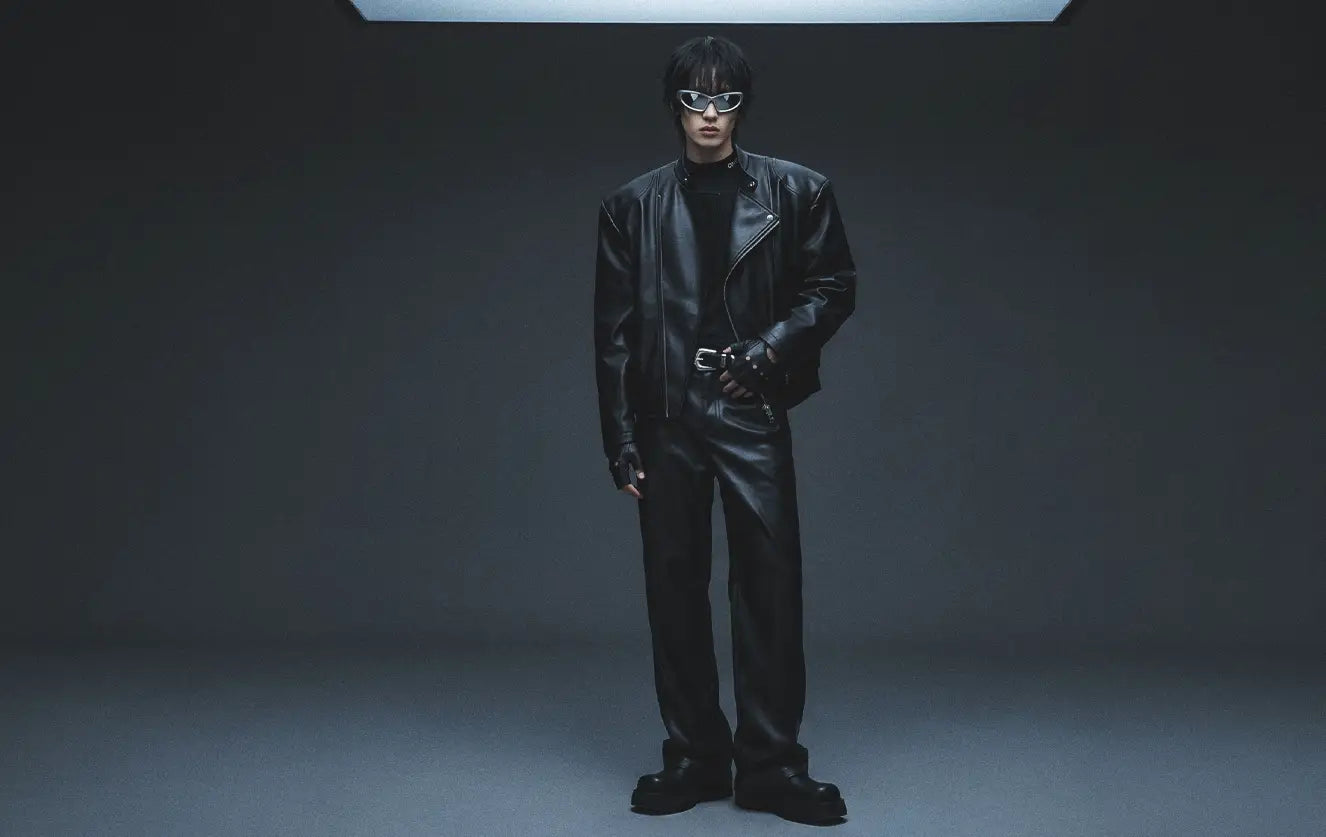
To really understand avant-garde fashion today, you need to know how it got here. The movement did not appear overnight. It built itself across a century, with distinct waves of designers in different countries pushing the conversation forward each generation. The story has clear chapters, and once you know them, you can place any contemporary avant-garde piece into a tradition that makes it easier to read.
The 1920s-1930s: Schiaparelli and Surrealism
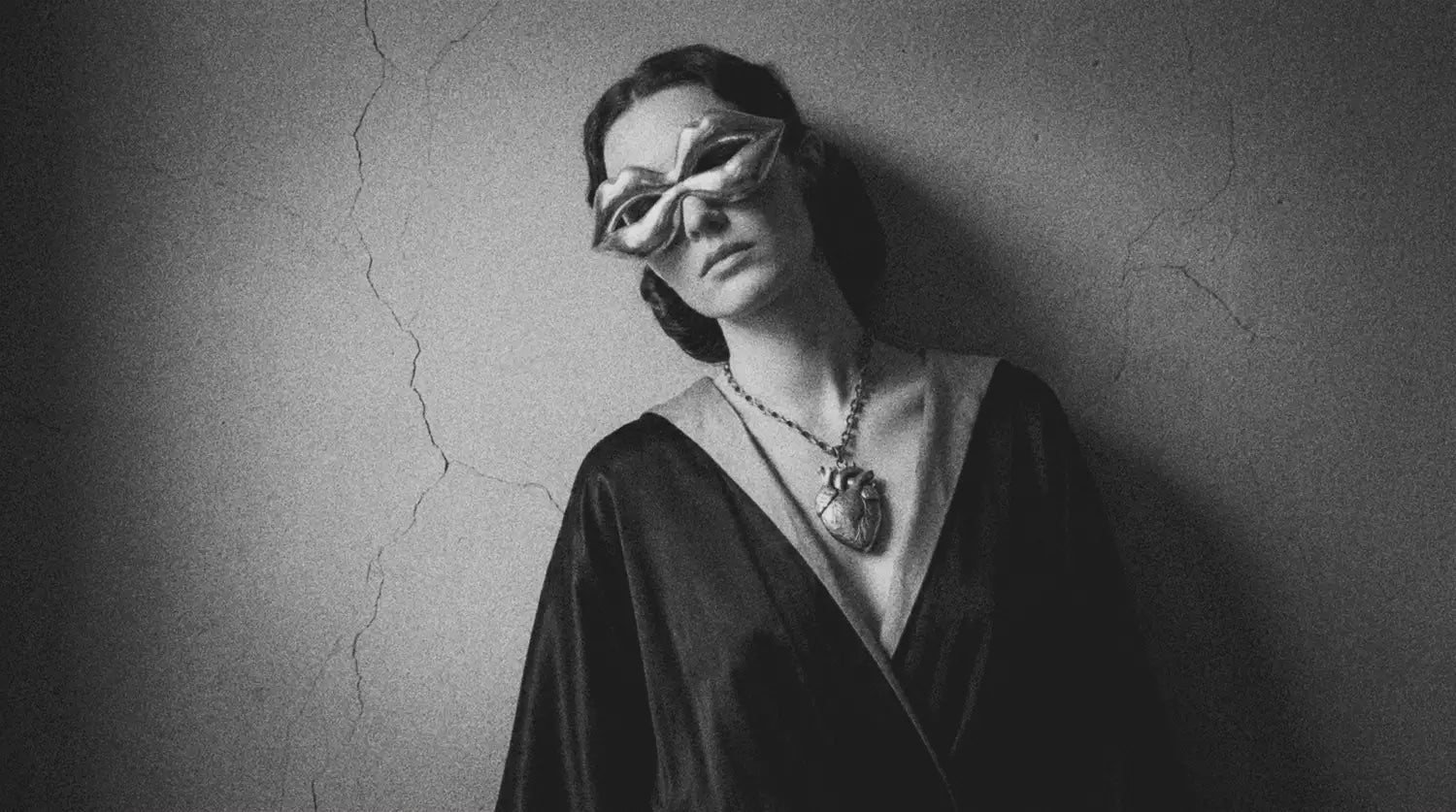
The earliest stirrings of avant-garde in fashion came from Italian designer Elsa Schiaparelli working in Paris during the 1930s. While her contemporary Coco Chanel was building a fashion empire on tasteful elegance, Schiaparelli was collaborating with Salvador Dalí and Jean Cocteau to create garments that doubled as surrealist art objects. Her most famous pieces include a lobster dress with a giant red crustacean painted across the skirt, a shoe-shaped hat, and gloves embroidered with human fingernails.
This was the first time a designer publicly treated clothing as a canvas for ideas rather than just a vehicle for beauty. Schiaparelli was widely mocked in the fashion press of her era, but she planted the seed that fashion could be conceptual, provocative, and intellectually serious. Every avant-garde designer working today owes something to her.
The 1960s-1970s: Space Age and Futurism
After a long quiet period through World War II and its aftermath, avant-garde fashion came back hard in the 1960s with a new generation of European designers obsessed with the future. Pierre Cardin, André Courrèges, and Paco Rabanne were watching the space race and asking what humans would wear in zero gravity. Their answers were architectural mini-dresses, plastic shift dresses, geometric helmet hats, and chainmail garments made of metal discs riveted together.
This was avant-garde fashion's first commercial moment. The space-age aesthetic became briefly mainstream, with Cardin and Courrèges dressing the cultural elite. But it also exposed the central tension that has defined the movement ever since: the moment avant-garde becomes popular, it stops being avant-garde. By the early 1970s, mass-market versions of these designs had flooded department stores, and the original designers had to push further out to stay ahead.
1981: The Japanese Revolution in Paris
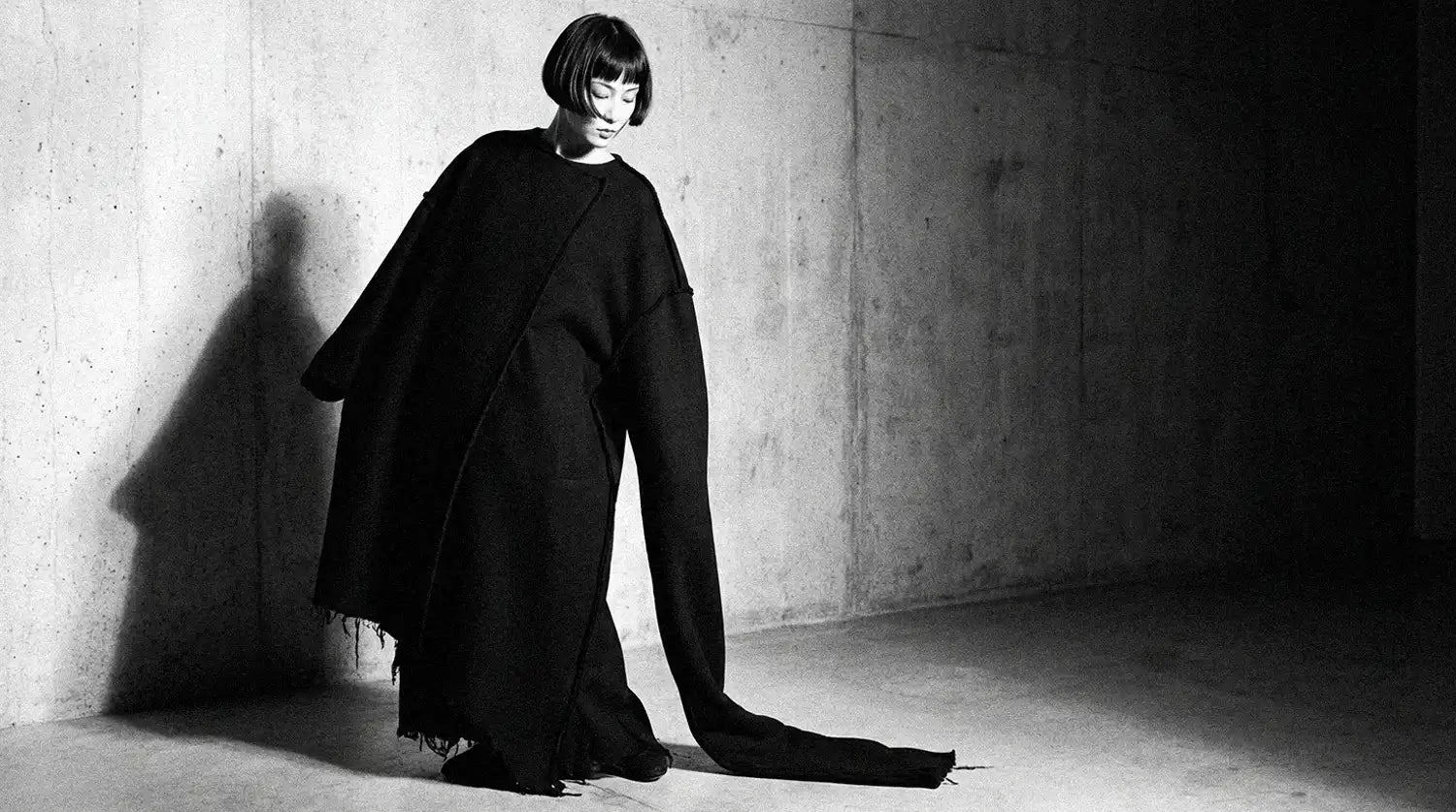
The single most important moment in avant-garde fashion history happened in Paris in 1981, when Yohji Yamamoto and Rei Kawakubo, two Japanese designers who had been working in Tokyo, presented their collections together at Paris Fashion Week. What walked down the runway changed everything: monochromatic black garments, intentionally oversized, asymmetric, with raw seams, unfinished hems, and silhouettes that hid the body rather than emphasizing it.
French fashion critics, raised on a tradition of perfectly fitted couture, were stunned. The press response was cruel. Some critics called the looks "Hiroshima chic," a phrase so offensive it remains shocking to read today. Others called it "post-atomic" or simply "ugly." But within five years, those same critics were calling the same designers visionary. Yamamoto and Kawakubo had introduced a completely different way of thinking about clothes: garments shaped by the Japanese aesthetic concept of wabi-sabi, which finds beauty in imperfection, asymmetry, and the marks left by time. They proved that clothing did not have to follow Western rules of symmetry and fit to be powerful, and the entire industry shifted as a result.
The 1990s: The Antwerp Six and Deconstruction

The Japanese wave inspired a new generation of European designers, this time emerging from Belgium. Six graduates of the Royal Academy of Fine Arts in Antwerp, collectively known as the Antwerp Six, took the deconstructive principles introduced by Yamamoto and Kawakubo and pushed them even further. The most influential of this group, Martin Margiela, built an entire fashion house around anonymity, recycling, and visible deconstruction. His collections featured garments turned inside out, made from repurposed materials, and famously included a line of jackets with exposed shoulder pads that looked unfinished on purpose.
Ann Demeulemeester brought a romantic literary sensibility to the movement, designing collections inspired by Patti Smith and the dark elegance of European poetry. Dries Van Noten contributed prints and color when the movement was largely monochrome. Together, the Antwerp Six proved that avant-garde was a global language, not just a Japanese phenomenon, and they established Belgium as the European capital of conceptual fashion. The 1990s belonged to them, and their influence still shapes everything happening in avant-garde fashion today.
The 2000s-2010s: McQueen, Chalayan, Owens
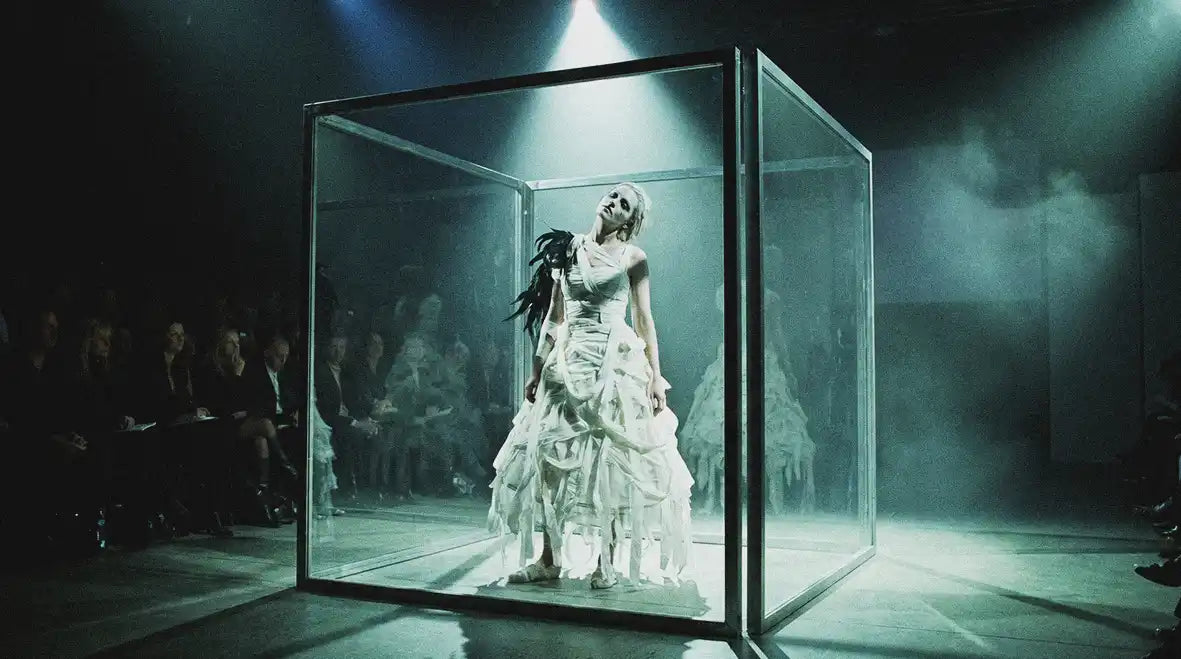
The 2000s introduced a new wave of designers who took avant-garde fashion in three distinct directions. Alexander McQueen, working out of London, brought theatricality to the movement. His runway shows were closer to performance art than fashion presentations, with collections like Voss in 2001 staging mental institution scenes and It's a Jungle Out There featuring wolves on the runway. McQueen's death in 2010 was one of the great losses in modern fashion.
Hussein Chalayan introduced technology and concept. His pieces included dresses that transformed mechanically during runway shows, garments controlled by remote, and collections built around themes like displacement and architecture. He proved that avant-garde could engage with the present moment and the technological future, not just with traditional craft.
And then there is Rick Owens. Owens deserves his own paragraph because he is arguably the most important avant-garde designer of the last twenty-five years and the single figure who built the bridge between high-concept avant-garde and wearable dark streetwear. His draped silhouettes, gothic minimalism, and refusal to follow fashion-week conventions made him a cult figure with a global audience. Without Owens, the entire ecosystem of dark avant-garde streetwear that exists today, including the brands you are probably already buying from, would not exist.
Today: Iris van Herpen, Robert Wun, and the New Wave
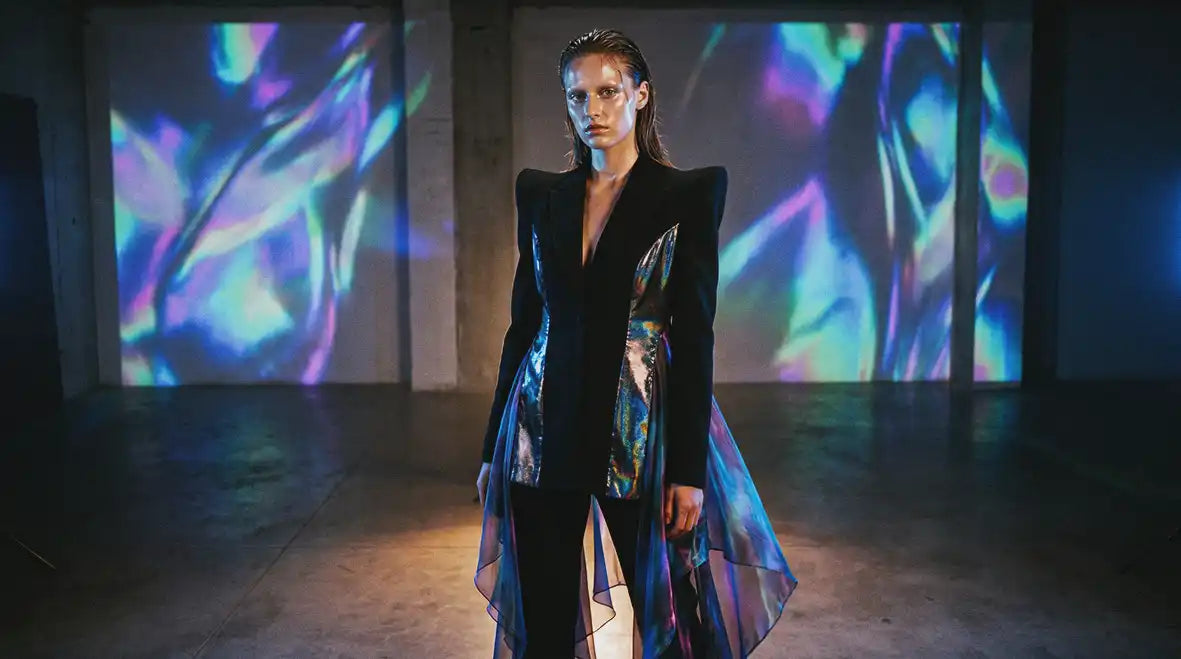
Avant-garde fashion in the 2020s is more diverse than ever. Dutch designer Iris van Herpen has built her career around 3D-printed haute couture that blends fashion with science, with collections featuring biomorphic structures that resemble underwater creatures, crystals mid-formation, and architectural forms made possible only by emerging technology. Her work appears in museum exhibitions as often as on runways.
Robert Wun, working out of London, has revived sculptural dramatic tailoring and become a favorite of celebrity stylists looking for something beyond predictable red-carpet gowns. Emerging designers like Ryunosuke Okazaki in Tokyo, Bad Binch Tongtong in New York, and Gregory Ojakpe out of Central Saint Martins are pushing the movement into new territory with collections that engage with cultural identity, sustainability, and digital design. Highsnobiety has profiled this new generation in detail, and if you want to see where avant-garde is heading, their feature on emerging avant-garde designers is a useful starting point.
What unites all these contemporary designers, despite their differences, is the same commitment that defined Schiaparelli, Yamamoto, and Margiela before them: a refusal to make clothing that simply follows the market. Avant-garde fashion remains, in 2026, one of the few corners of the industry where ideas still come first and commerce comes second.
The Timeline at a Glance
If you want the entire history of avant-garde fashion in one quick reference, here is the timeline broken down by era, key designers, and the innovation each generation contributed.
| Era | Key Designers | Innovation Introduced |
|---|---|---|
| 1920s-1930s | Elsa Schiaparelli, Salvador Dalí | Surrealism in clothing, fashion as art object |
| 1960s-1970s | Pierre Cardin, André Courrèges, Paco Rabanne | Space age aesthetics, plastic, metal, futurism |
| 1981 onwards | Yohji Yamamoto, Rei Kawakubo, Issey Miyake | All-black palette, deconstruction, asymmetry, wabi-sabi |
| 1990s | Martin Margiela, Ann Demeulemeester, Dries Van Noten | Belgian deconstruction, anonymity, recycled materials |
| 2000s-2010s | Alexander McQueen, Hussein Chalayan, Rick Owens | Theatrical runway shows, technology integration, dark minimalism |
| 2020s | Iris van Herpen, Robert Wun, Ryunosuke Okazaki | 3D printing, biomorphic forms, sustainability, digital design |
The 7 Core Characteristics of Avant-Garde Fashion
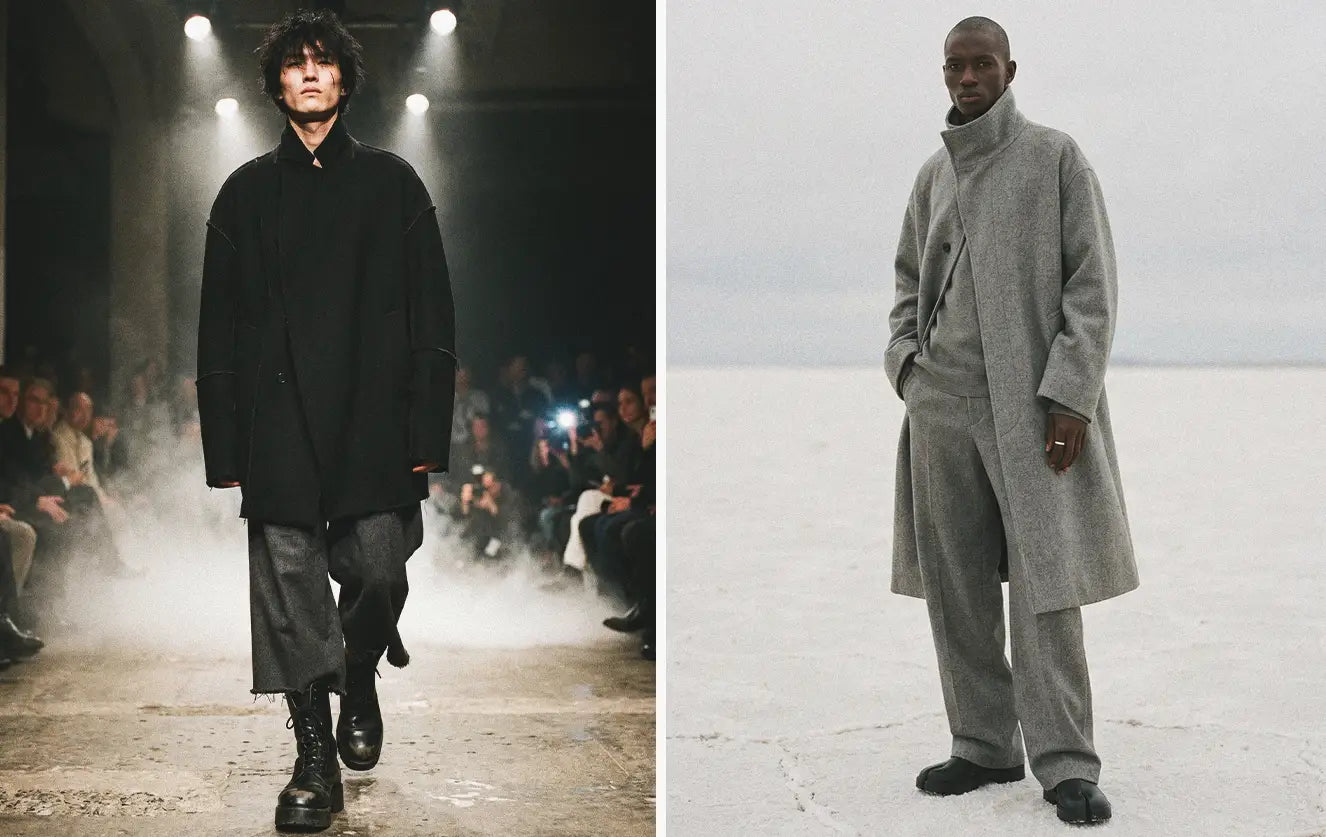
Avant-garde fashion is not a single look. It is a set of design principles that different designers apply in different ways. But once you learn the seven core characteristics that define the movement, you will start recognizing them instantly in any garment, whether you are scrolling Instagram, walking through a vintage store, or browsing an online collection. These are the visual codes that separate genuine avant-garde from clothes that are just trying to look weird for attention.
1. Asymmetry and Deconstruction
Symmetry is the foundation of traditional Western tailoring. Both sleeves match, both lapels mirror each other, hems fall evenly across the body. Avant-garde fashion rejects this default. Look for garments with one sleeve longer than the other, hems that fall in a diagonal, zippers placed off-center, and panels that overlap in unexpected ways. Deconstruction takes this further by exposing what conventional tailoring hides: raw seams, unfinished edges, visible interior linings, and construction details treated as decorative elements rather than mistakes to be covered up.
This is the influence of Martin Margiela and Rei Kawakubo most directly. Both built entire careers around the idea that a garment can be more interesting when you can see how it was made, when you can see the labor and the imperfection. If you find a jacket where the inside lining shows on purpose, or a coat where the hem looks deliberately raw, you are looking at deconstruction in action.
2. Oversized Volumes and Architectural Cuts
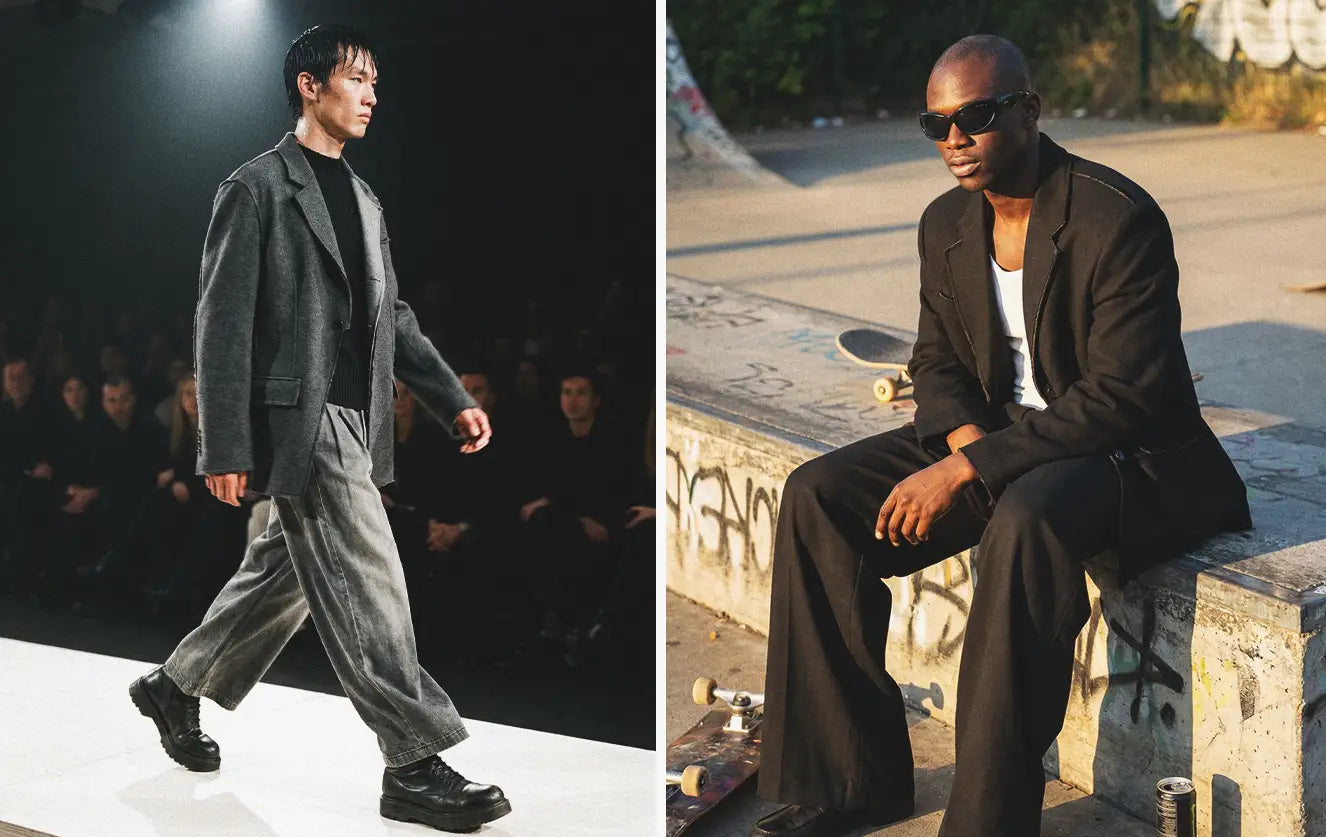
Mainstream fashion follows the body. Avant-garde fashion plays with the space around the body. Wide-leg trousers that gather voluminously at the hem, blazers that extend far beyond the natural shoulder line, cocoon-shaped coats that wrap the wearer in a sculptural shell, drop-crotch pants that create extra fabric between the waist and knee: all of these are examples of avant-garde working with volume the way an architect works with empty space.
The Japanese designers introduced this approach in 1981, drawing on the traditional kimono construction where fabric flows around the body rather than being cut to fit it. Volume in avant-garde is intentional, not accidental. It is not just oversized streetwear borrowed from skater culture. Every extra inch of fabric exists for a reason, usually to create a specific silhouette when the wearer stands still or moves through space.
3. Monochrome Palettes, Especially Black
Avant-garde fashion is famous for its black. Yohji Yamamoto built his entire career around the color and once said in an interview that black is "modest and arrogant at the same time, lazy and easy, but mysterious." When you remove color from clothing, what remains is form, texture, and silhouette. The eye stops being distracted by hue and starts paying attention to the architecture of the garment itself.
Not every avant-garde piece is black, but the palette is almost always restrained. Heather grey, off-white, ecru, deep charcoal, and occasional touches of deep red or oxblood are the secondary tones that appear most often. What you almost never see is bright color or visible branding. This is anti-spectacle clothing in a culture that increasingly demands spectacle. It is also why avant-garde photographs differently than it looks in person, because so much of its effect comes from texture and depth that flatten in photos.
4. Unconventional Materials and Texture Mixing
Traditional fashion separates materials by season and category. Wool for winter, cotton for summer, leather for outerwear, silk for evening. Avant-garde fashion ignores these rules and mixes materials freely within the same garment or the same outfit. A wool felt jacket sitting over a faux leather pant. A cotton drape layer covering a structured nylon shell. Materials that should not work together combined intentionally to create texture contrast and visual depth.
Some designers push this even further. Paco Rabanne built dresses out of metal discs riveted together. Iris van Herpen 3D-prints garments out of polymers that have no equivalent in traditional textile manufacturing. Rick Owens has experimented with rubber, leather, and felt in combinations that no mainstream brand would ever attempt. The unconventional material is itself a statement, asking the viewer to reconsider what clothing can be made from.
5. Gender Fluidity and Androgyny
Western fashion has traditionally drawn sharp lines between menswear and womenswear, with different proportions, fits, and conventions for each. Avant-garde fashion largely ignores these distinctions. The same oversized coat is designed to be worn by anyone, with the wearer's body interpreting the garment rather than the garment shaping the body. This is the influence of Japanese tailoring traditions, where the kimono has historically been cut almost identically for men and women, with only minor variations in detail.
Yamamoto, Kawakubo, and Margiela all built collections where pieces moved freely between gender categories long before this became fashionable in mainstream fashion. Avant-garde was non-binary before non-binary was a common cultural reference point. If you walk into a Comme des Garçons store today, much of the men's line and women's line is functionally identical, separated more by labeling than by design.
6. Concept Over Wearability
This is the characteristic that confuses people the most. Avant-garde fashion is often not particularly comfortable, not always practical, and sometimes barely wearable in the conventional sense. The most famous example is Rei Kawakubo's Spring 1997 collection for Comme des Garçons, often called "Lumps and Bumps," which featured dresses with padded protrusions that distorted the natural body shape into something alien and uncomfortable. Critics asked who could possibly wear this. Kawakubo's answer was that the question was wrong: the collection was about challenging assumptions of beauty, not about producing wearable clothes.
Not every avant-garde piece is this extreme, but every avant-garde piece starts from an idea before it starts from a function. The concept comes first, the wearability comes second. Mainstream fashion reverses this hierarchy. This single distinction explains most of what makes avant-garde feel different when you encounter it for the first time.
7. Anti-Logo and Anti-Branding
Walk into any luxury fashion store today and you will see logos everywhere. Monograms, oversized brand names, recognizable hardware, status signaling built directly into the design. Avant-garde fashion does the opposite. Most pieces have no visible branding at all. Comme des Garçons garments are recognizable only to people who already know the codes: the construction, the silhouette, the labels hidden on the inside. Margiela famously labeled his garments with a circle of numbers from zero to twenty-three, leaving customers to figure out which number meant which collection.
This anti-logo stance is part philosophical, part practical. Philosophically, avant-garde rejects the idea that clothes should function as status symbols. Practically, the absence of branding means the silhouette and construction have to do all the communicating. You recognize avant-garde the way you recognize a particular kind of architecture: by the underlying language, not by a name plate on the front.
Mainstream Fashion vs Avant-Garde Fashion: The Key Differences
If you want a quick visual breakdown of what separates avant-garde from mainstream fashion across every dimension, here is the comparison in one table.
| Criteria | Mainstream Fashion | Avant-Garde Fashion |
|---|---|---|
| Primary goal | Wearable, commercial | Conceptual, artistic |
| Silhouette | Body-conscious, fitted | Sculptural, oversized, asymmetric |
| Color palette | Trend-driven, varied | Monochrome, often black |
| Construction | Hidden seams, polished finish | Exposed seams, raw edges, deconstructed |
| Branding | Visible logos and monograms | Anti-logo, recognizable only by codes |
| Materials | Conventional fabrics by season | Mixed textures, unconventional materials |
| Gender approach | Distinct menswear and womenswear | Genderless, androgynous, fluid |
| Lifespan | Seasonal, trend-based | Timeless, archive-worthy |
| Audience | Mass market | Niche, fashion-aware buyers |
The Most Influential Avant-Garde Designers You Should Know
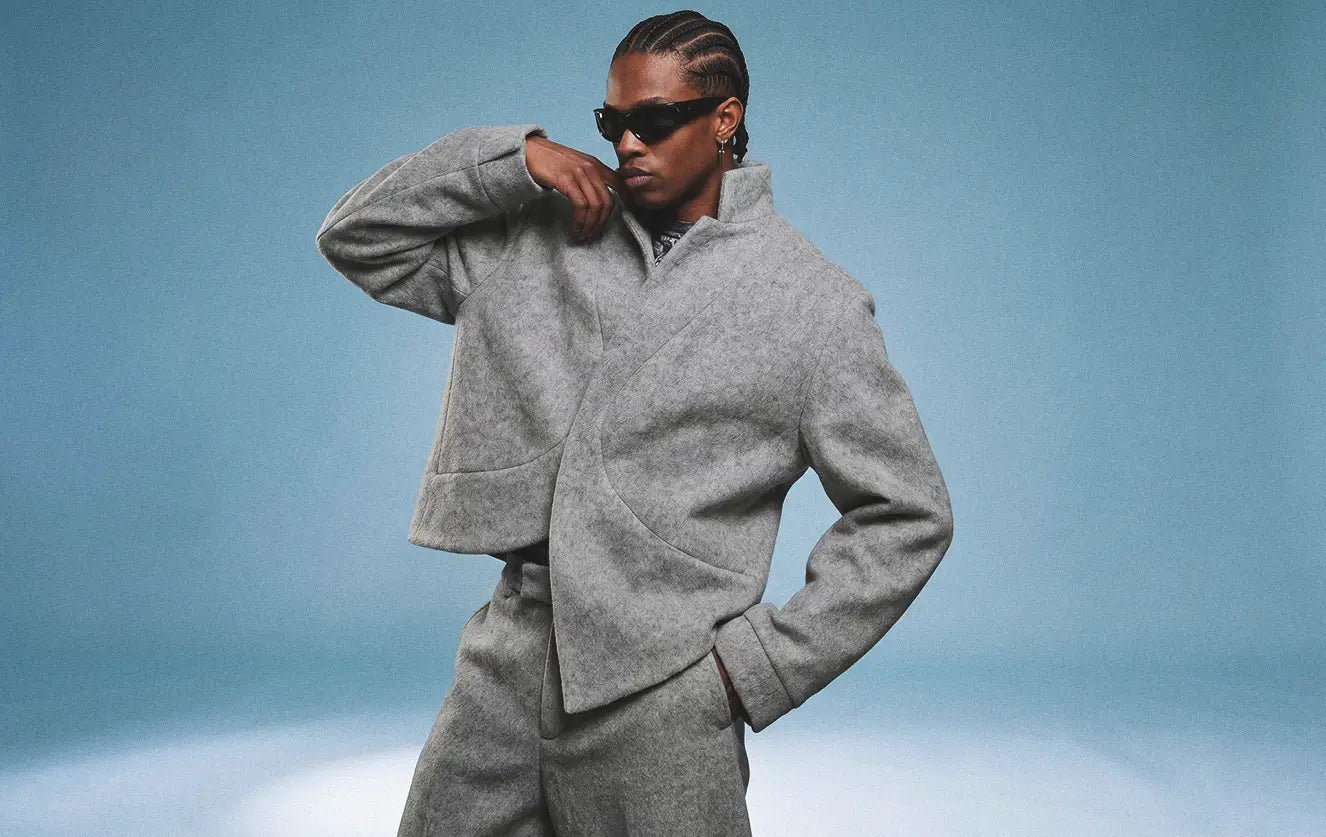
Understanding avant-garde fashion eventually means understanding the people who built it. You do not need to memorize every name, but knowing the major figures gives you the vocabulary to recognize where any contemporary avant-garde piece is coming from. These eight designers are the ones whose influence you can trace through almost everything happening in the movement today, whether the pieces you are looking at are couture or accessible streetwear.
Rei Kawakubo (Comme des Garçons)
Rei Kawakubo founded Comme des Garçons in Tokyo in 1969 and brought the brand to Paris in 1981, where her debut collection alongside Yamamoto changed fashion forever. She is widely considered the most intellectually serious designer in the history of the medium. Her collections are built around ideas rather than trends, and she rarely gives interviews to explain them, preferring to let the work speak for itself.
Her 1997 "Lumps and Bumps" collection, which featured dresses with padded protrusions distorting the body shape, remains one of the most discussed fashion presentations of the last fifty years. Kawakubo invented deconstruction as a fashion movement, and almost every avant-garde designer who came after her owes something to her work. The 2017 Metropolitan Museum of Art Costume Institute exhibition dedicated to her was only the second such exhibition ever given to a living designer.
Yohji Yamamoto
Often called "the poet in black," Yohji Yamamoto built his career on oversized silhouettes, masterful draping, and an almost religious devotion to the color black. His work is romantic and intellectual at the same time, drawing influences from Japanese tradition, European philosophy, and street culture. He has dressed everyone from Pina Bausch to Wim Wenders, and Steve Jobs's famous black turtleneck was an Issey Miyake design but easily could have been Yamamoto.
Yamamoto's approach is grounded in the behavior of fabric itself. He designs by understanding how cloth wants to fall, drape, and move, rather than forcing it into preconceived shapes. His menswear line, Yohji Yamamoto Pour Homme, is one of the most influential menswear collections of the last forty years and remains a reference point for designers working in dark avant-garde menswear today.
Issey Miyake
Issey Miyake, who passed away in 2022, was the textile innovator of the Japanese avant-garde trio. While Kawakubo focused on concept and Yamamoto on drape, Miyake focused on the science of fabric. He invented permanent pleating techniques that allowed garments to take complex three-dimensional shapes without needing to be ironed. His Pleats Please line, launched in the 1990s, made avant-garde principles accessible to a much wider audience and remains in production today.
Miyake also pioneered A-POC ("A Piece of Cloth"), a technology that allowed entire garments to be created from a single piece of fabric with no cutting and minimal sewing. His work bridged fashion, science, and craft in ways that no other designer of his generation attempted. His influence shows up everywhere from contemporary athletic wear to haute couture.
Martin Margiela
Martin Margiela is the most mysterious figure in fashion. He founded Maison Martin Margiela in 1988, ran it for over two decades, and never showed his face publicly during his entire career. His collections featured deconstructed garments, recycled materials, and a labeling system using a circle of numbers from zero to twenty-three. The brand became one of the most influential fashion houses of the 1990s and 2000s entirely through the strength of its design philosophy.
Margiela's Tabi boots, which split the toe like a traditional Japanese sock, are one of the most recognizable pieces of footwear in contemporary fashion. He proved that anonymity could be a brand identity in itself, in a culture obsessed with personality. He retired from the house in 2009 and has remained out of public view ever since.
Ann Demeulemeester
The most poetic of the Antwerp Six, Ann Demeulemeester built her career on a dark romantic minimalism that drew heavily from literary influences. Her muse for years was Patti Smith, and her collections often featured the same fluid, asymmetric layering that Smith made part of her own iconic stage look. Demeulemeester used black and white almost exclusively, with occasional touches of red, and her tailoring was famous for its drape and movement.
She stepped away from her eponymous label in 2013, but her archival work remains a major reference point for any designer working in the intersection of avant-garde and romantic minimalism. Her influence is felt particularly strongly in current quiet luxury and dark minimalist trends.
Alexander McQueen
Alexander McQueen was the theatrical genius of avant-garde fashion. Working out of London, he treated his runway shows as performance art, with collections like Voss in 2001 staging a mental institution scene complete with mirrored walls and Michelle Olley reclining nude inside a box. His clothes were dramatic, technically brilliant, and emotionally raw in a way no other designer of his generation could match.
McQueen's death in 2010 was one of the defining tragedies of modern fashion. His brand continues under different creative direction, but his original collections from 1996 to 2010 remain some of the most studied and celebrated work in fashion history. If you want to understand how avant-garde can be aggressive and beautiful at the same time, his archive is the place to start.
Rick Owens
Rick Owens is the most important avant-garde designer of the last twenty-five years for one specific reason: he built the bridge between high-concept avant-garde and wearable dark streetwear. Working out of Paris with American roots, Owens created an aesthetic that took the principles of Japanese and Belgian avant-garde and translated them into clothes you could actually wear walking through a city.
His draped silhouettes, gothic minimalism, and refusal to follow fashion-week conventions made him a cult figure with a global audience. His diffusion line DRKSHDW brought avant-garde principles to denim, jersey, and casual wear, opening the movement to a much younger and broader audience. Almost every dark streetwear brand currently producing oversized leather pieces, asymmetric jackets, and wide-leg drop-crotch trousers is working downstream of Rick Owens.
Iris van Herpen
The leading figure of contemporary avant-garde, Iris van Herpen brought 3D printing into haute couture and built her entire practice around the intersection of fashion, science, and biology. Her garments resemble underwater creatures, crystals mid-formation, and architectural structures that look impossible to wear. Her work appears in museum exhibitions almost as often as on runways, and she has redefined what couture can mean in the twenty-first century.
Van Herpen represents the future direction of avant-garde fashion. Where Kawakubo and Yamamoto used traditional tailoring techniques to challenge convention, Van Herpen is using emerging technology to create garments that simply could not have existed twenty years ago. She is one of the designers to watch over the next decade.
Avant-Garde Designers at a Glance
For quick reference, here is the breakdown of the major avant-garde designers by country, specialty, and the house they are associated with.
| Designer | Country | Specialty | Brand |
|---|---|---|---|
| Rei Kawakubo | Japan | Conceptual deconstruction | Comme des Garçons |
| Yohji Yamamoto | Japan | Drape and black oversized | Yohji Yamamoto |
| Issey Miyake | Japan | Textile innovation, pleating | Issey Miyake |
| Martin Margiela | Belgium | Anonymity, deconstruction, Tabi | Maison Margiela |
| Ann Demeulemeester | Belgium | Romantic minimalism | Ann Demeulemeester |
| Alexander McQueen | United Kingdom | Theatrical narrative | Alexander McQueen |
| Rick Owens | United States / France | Dark gothic minimalism, streetwear bridge | Rick Owens / DRKSHDW |
| Iris van Herpen | Netherlands | 3D printing, biomorphic forms | Iris van Herpen |
Avant-Garde Fashion vs Haute Couture vs Minimalism vs Streetwear
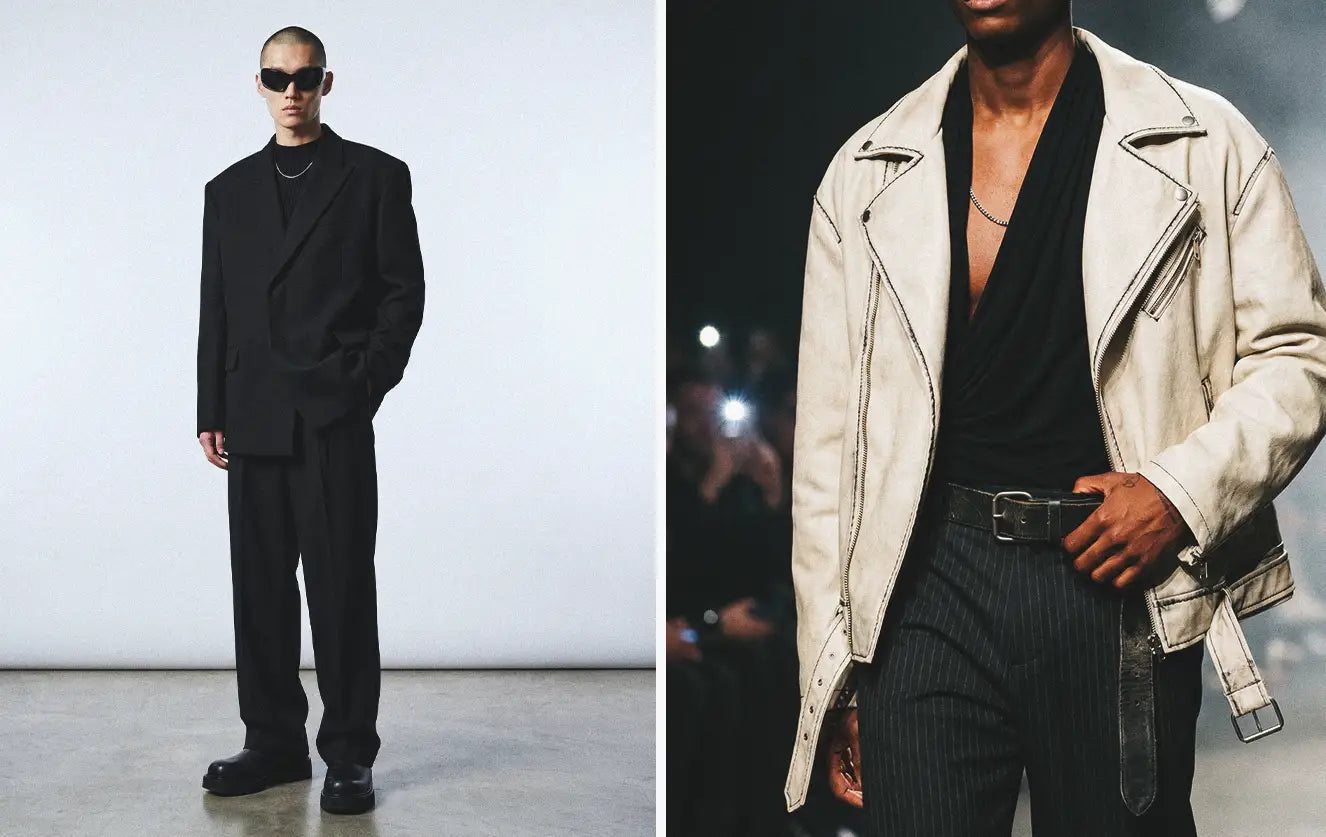
One of the biggest sources of confusion around avant-garde fashion is how it relates to other categories that often get mentioned in the same conversation. Haute couture, minimalism, and streetwear are all distinct movements with their own histories and conventions, and avant-garde overlaps with each of them in specific ways without being identical to any of them. If you can clearly distinguish all four, you will understand the fashion landscape better than most people who work in the industry.
Haute couture is the world of custom-made, hand-stitched luxury garments produced by a small number of officially designated houses in Paris. Chanel, Dior, Givenchy, and Schiaparelli (the modern revival of the original house) all produce haute couture collections each season. These garments are made to order for individual clients, cost tens of thousands of euros, and represent the absolute pinnacle of traditional craftsmanship. Haute couture and avant-garde can overlap, particularly in the work of designers like Iris van Herpen or McQueen, but the categories are different. Haute couture prioritizes perfection in execution. Avant-garde prioritizes concept in design.
Minimalism is the design philosophy of reducing clothing to its essential elements. Quiet luxury houses like The Row, Lemaire, and Jil Sander represent this approach in its current form. Minimalism shares with avant-garde a love of restrained palettes, monochrome black or grey, and a refusal of loud branding. Where the two differ is in their relationship to the body and to construction. Minimalism produces clean, tailored, perfectly fitted garments. Avant-garde produces sculptural, deconstructed, intentionally imperfect garments. They look adjacent from the outside, but they come from different design philosophies.
Streetwear is the broadest of the four categories and the hardest to define cleanly. It emerged from skate, surf, and hip-hop subcultures in the 1980s and 1990s and now encompasses everything from Supreme to Yeezy to designer collaborations with major brands. Streetwear and avant-garde overlap most clearly in the work of designers like Rick Owens and in the current generation of dark streetwear brands that draw heavily from avant-garde principles. The key difference is that streetwear is fundamentally about cultural identity and belonging, while avant-garde is fundamentally about conceptual design. They can meet in the middle, but they start from different places.
The Complete Comparison Table
To make all of this concrete, here is how the four movements compare across the dimensions that matter most.
| Criteria | Avant-Garde | Haute Couture | Minimalism | Streetwear |
|---|---|---|---|---|
| Primary goal | Push design boundaries | Luxury perfection | Reduce to essence | Cultural identity |
| Construction | Deconstructed, raw seams | Hand-stitched perfection | Clean tailored lines | Casual standard production |
| Materials | Unconventional mix | Finest traditional fabrics | High-quality basics | Cotton, denim, tech fabrics |
| Silhouette | Sculptural, asymmetric | Tailored to individual client | Pared-down geometric | Loose, comfortable, casual |
| Price range | Accessible to four-figure | Five-figure and up (custom) | Premium to luxury | Affordable to luxury |
| Audience | Conceptual buyers, creatives | Ultra-wealthy clientele | Quiet luxury seekers | Youth, subcultures, broader public |
| Best example brands | Comme des Garçons, Yohji Yamamoto | Chanel, Dior, Schiaparelli Couture | The Row, Lemaire, Jil Sander | Supreme, Stüssy, Off-White |
Dark Avant-Garde: Where Streetwear Meets Conceptual Design
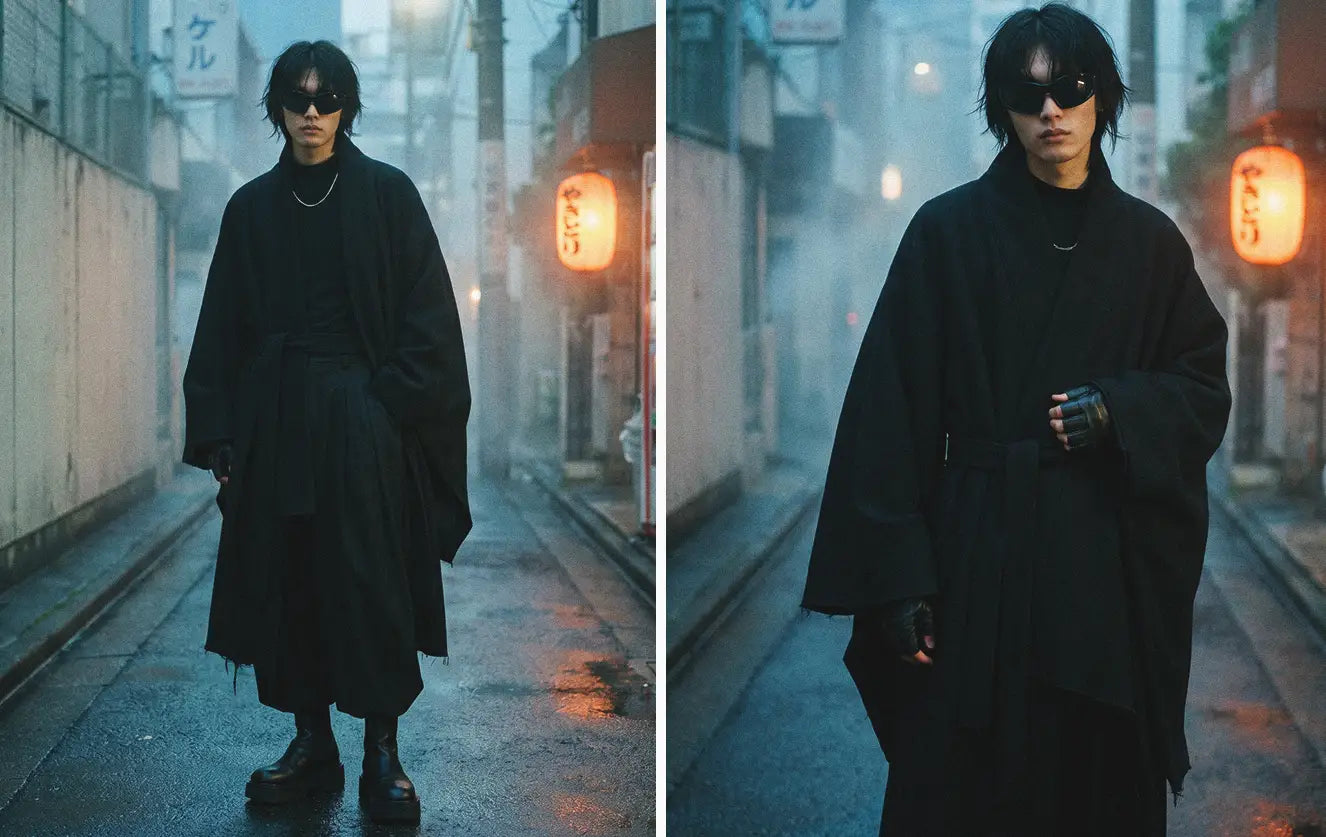
One of the most interesting developments in avant-garde fashion over the last fifteen years is the emergence of dark avant-garde as a distinct subgenre that bridges high-concept design and wearable streetwear. If you have been following dark fashion on Instagram, watching Playboi Carti music videos, or scrolling through Rick Owens lookbooks, you have already been looking at dark avant-garde without necessarily knowing the name for it. This is the version of avant-garde that has actually broken through to a younger, broader audience, and it is the version most relevant to anyone reading this guide in 2026.
What Is Dark Avant-Garde?
Dark avant-garde is a subgenre that takes the core principles of traditional avant-garde fashion (deconstruction, oversized volumes, monochrome palettes, conceptual design) and filters them through a gothic, post-apocalyptic, or vampire-rockstar aesthetic. The result is clothing that retains the architectural seriousness of Yamamoto or Kawakubo but adds an element of drama, edge, and subcultural identity that makes it feel like street armor rather than runway art.
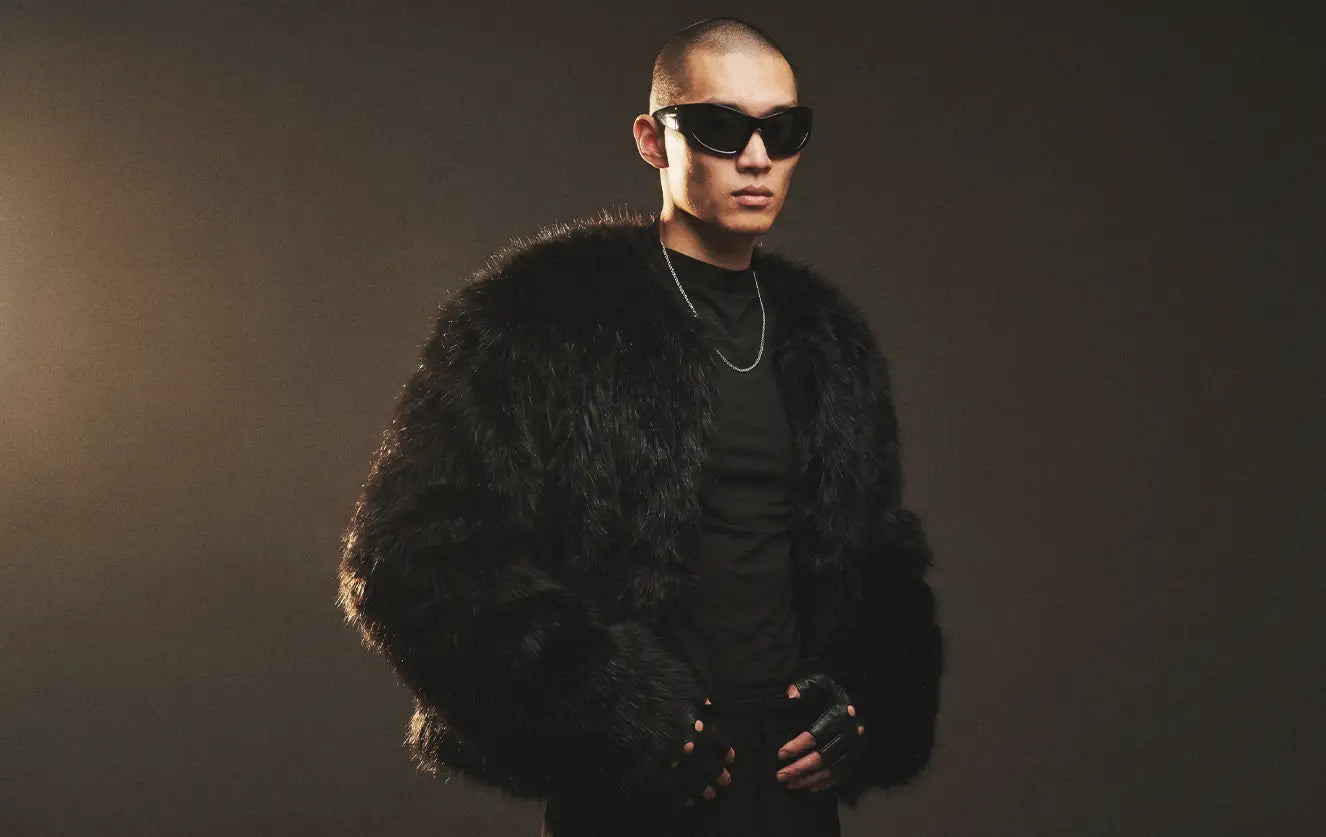
The visual codes of dark avant-garde are recognizable once you know them. Faux leather and shaggy faux fur in dramatic silhouettes. Long asymmetric coats with raw construction. Wide-leg leather trousers with visible hardware. Faceless styling with wraparound sunglasses, fingerless gloves, and balaclavas. Heavy chunky platform boots that anchor the silhouette. Silver chains, baroque belt buckles, and metal accessories used sparingly to break up the all-black palette. The mood is mysterious, monastic, and quietly intense.
The Rick Owens Effect
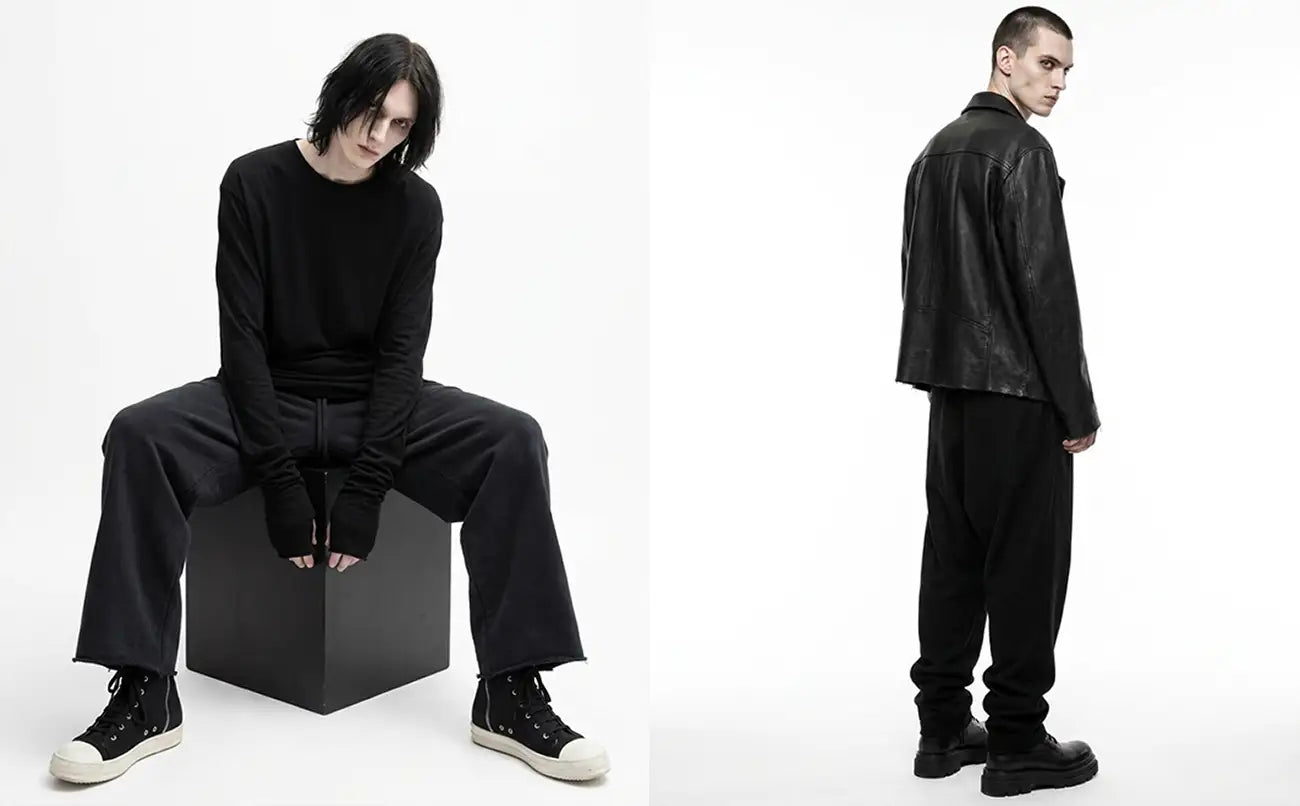
Rick Owens is the single most important figure in the development of dark avant-garde streetwear. Before Owens, avant-garde fashion lived almost entirely in the world of high-concept couture and runway shows. After Owens, it became something you could actually wear walking through a city. His draped jersey pieces, gothic leather jackets, and oversized t-shirts proved that avant-garde principles could be applied to garments that worked in real life, at a price point that more people could approach.
His diffusion line DRKSHDW pushed this further, bringing avant-garde codes to denim, hoodies, sweatpants, and casual wear. This was the moment when an entire generation of younger consumers discovered that dark, sculptural, conceptual clothing could be part of their everyday wardrobe and not just something they admired on runways. Almost every brand currently producing dark avant-garde streetwear is working in territory that Owens mapped out first.
The Current Wave: 2024 to 2026
The current generation of dark avant-garde is the largest and most visible the movement has ever been. The Playboi Carti era, with its faceless aesthetic, all-black wardrobes, and intentional opacity, has introduced millions of younger fans to visual codes that come directly from Rick Owens, Yohji Yamamoto, and the Antwerp Six. Artists like Travis Scott, Ken Carson, and Destroy Lonely have continued this trend, with stylists drawing from the entire avant-garde lineage to build their visual identities.
At the same time, the rise of techwear and the quiet luxury movement have created two parallel paths into the same conceptual territory. Younger consumers are now entering avant-garde fashion through multiple entry points, whether through music, through streetwear culture, through architectural minimalism, or through the broader interest in dark aesthetics that has dominated visual culture since the pandemic. The result is the most diverse and accessible moment avant-garde fashion has ever experienced.
Where to Find Dark Avant-Garde Pieces You Can Actually Afford
The challenge for anyone discovering dark avant-garde is that the original designers are expensive. A Rick Owens leather jacket starts around fifteen hundred euros. A Yohji Yamamoto coat can easily reach three thousand. Comme des Garçons archive pieces are collector items now. For most people interested in this style, the realistic path is through curated alternative brands that source designer-inspired pieces at accessible prices while staying true to the underlying aesthetic principles.
This is exactly the space we built our avant-garde clothing collection to fill. The pieces are selected for their alignment with real avant-garde codes (architectural cut, intentional silhouette, restrained palette, dark streetwear sensibility) without the four-figure designer markup. If you want to explore the style without committing to a single thousand-euro garment as your entry point, this is a practical place to start.
How to Wear Avant-Garde Fashion Without Looking Like a Runway Model
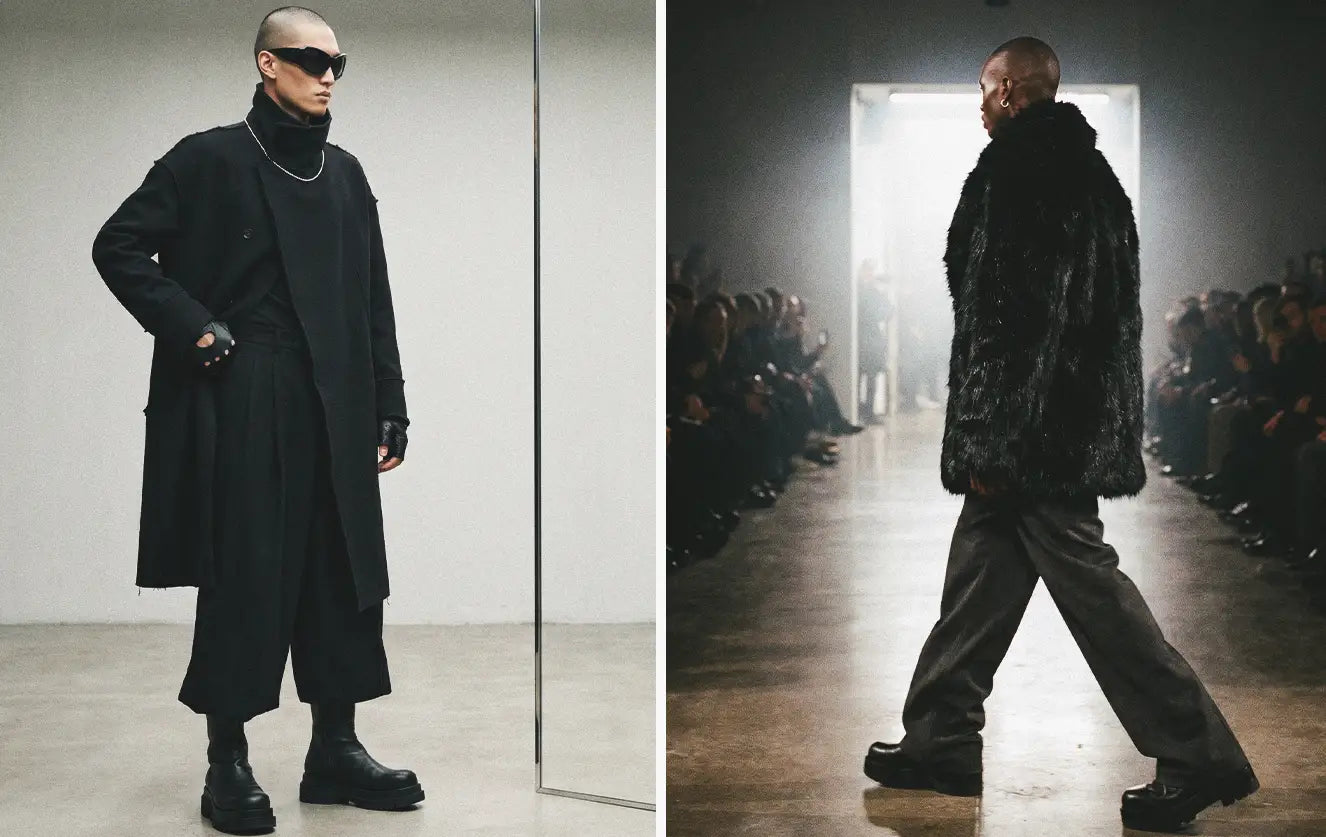
The single biggest reason people hesitate to try avant-garde fashion is the fear of looking ridiculous. Runway photos make this style feel inaccessible, like you need to be a six-foot model walking through Paris to pull it off. The truth is that wearing avant-garde in real life is much easier than the runway suggests, as long as you follow a few principles that experienced wearers have figured out over the years.
Start With One Statement Piece
The most common mistake beginners make is wearing too many avant-garde pieces at once. A wide-leg pleated trouser paired with an asymmetric coat, a deconstructed shirt, and oversized boots will read as costume, not fashion. The professional approach is the opposite: pick one statement piece, and dress the rest of the outfit in clean, simple basics that let the statement breathe.
If you have an oversized blazer with sculptural shoulders, pair it with a plain black tee and slim trousers. If you have wide-leg pleated pants, pair them with a fitted black knit and minimal accessories. The statement piece does all the work. Everything else just supports it. This is how people who actually wear avant-garde every day approach their wardrobes.
Keep the Color Story Tight
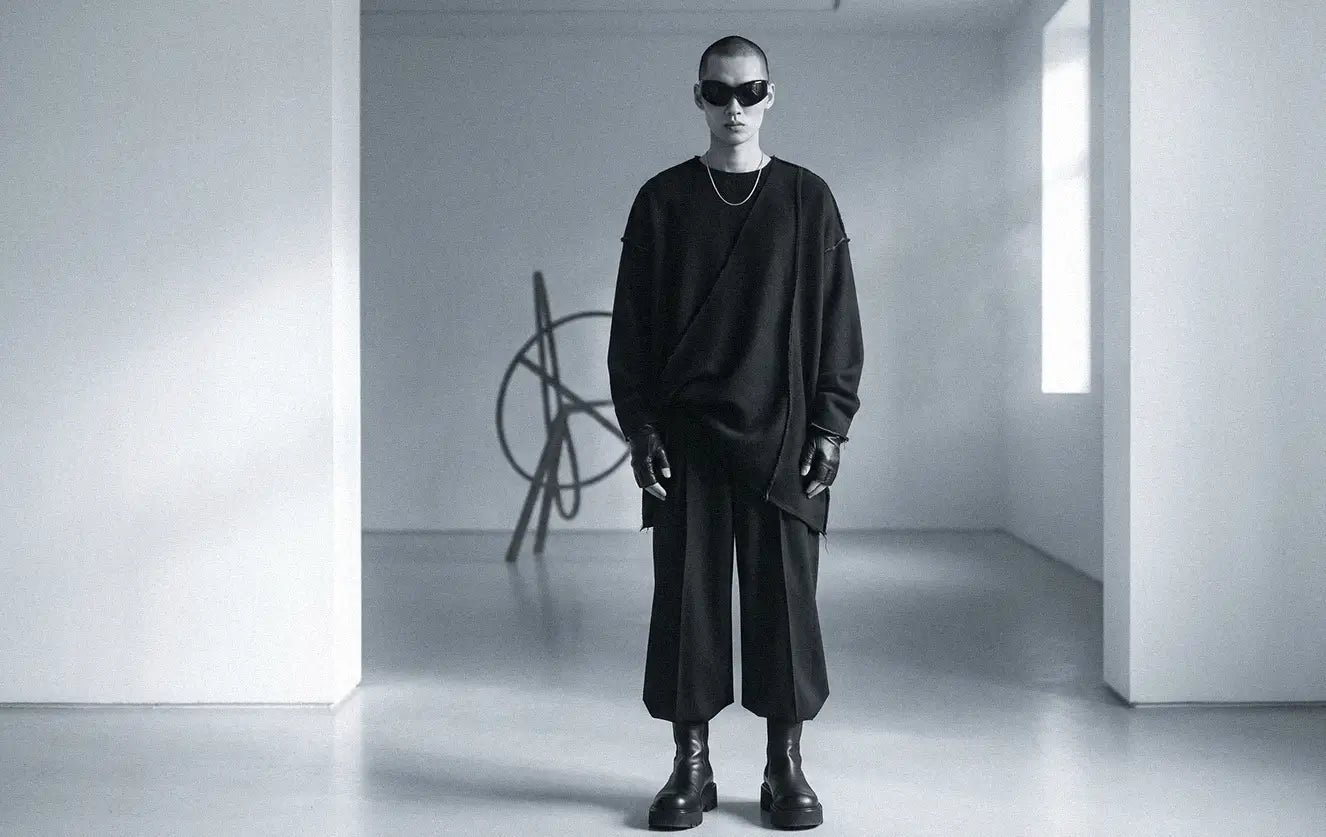
Avant-garde fashion lives and dies by color discipline. Stick to one or two tones at most, and let texture variation do the visual work instead of color contrast. Total black is the safest entry point. Black with grey or black with off-white are the natural next steps. Once you understand how to layer different blacks (matte leather over wool felt over fine knit) you start to see why this palette has dominated the movement for forty years.
Avoid bright colors, prints, and visible logos at the beginning. These all fight the silhouette and the architectural energy that avant-garde depends on. The discipline of the palette is what allows the cut of the garments to be heard.
Mix Avant-Garde With Wardrobe Basics
The single most useful technique for making avant-garde wearable is to combine it with plain basics from your existing wardrobe. A pleated wide-leg trouser with a plain black tee, a denim jacket from your closet, and white sneakers reads as fashion-aware streetwear. The same trouser with a deconstructed asymmetric jacket and Tabi boots reads as full avant-garde. Both work, but the first version is the one you can actually wear to lunch on Saturday.
Start with this 80/20 approach. Eighty percent basics, twenty percent avant-garde statement piece. As your confidence grows and you build a more developed eye, you can shift the ratio toward more avant-garde, but most people never need to go past 50/50 in everyday life.
Pay Attention to Proportions
Avant-garde is fundamentally about proportion. Every outfit needs to balance volume and structure across the body. If the top is oversized, the bottom should be more fitted, or vice versa. If the jacket is cropped, the bottom layer should be longer. If the pants are wide and dramatic, the shoes should be heavy and grounded to anchor the silhouette. These are not strict rules, but the underlying logic is that every piece needs a counterpoint.
The classic avant-garde silhouette is the inverted triangle: voluminous on top, tapered on the bottom, or vice versa. Once you train your eye to see proportion this way, you start instinctively pairing pieces that work together, even when you cannot articulate exactly why.
Skip the Loud Accessories
Avant-garde rejects bling. No big logos, no oversized jewelry, no flashy hardware. The accessory language of this style is quiet and intentional: a single thin silver chain, wraparound sunglasses, fingerless leather gloves, a heavy belt with one well-chosen buckle, chunky platform boots that match the seriousness of the silhouette. That is the entire toolkit. Anything more becomes noise.
The Beginner's Starter Outfit
If you want a concrete, no-thinking-required starter wardrobe to begin exploring avant-garde fashion, here are the five pieces that will take you from zero to fully dressed in the style. Buy these once, mix them with the basics you already own, and you will have months of outfit combinations to work with before needing to add anything else.
- One oversized blazer or asymmetric jacket in black or charcoal grey
- One pair of wide-leg pleated trousers in heavy black fabric
- One fitted black knit base layer (mock neck or simple long sleeve)
- One pair of chunky black platform boots with thick rubber soles
- One thin silver chain and a pair of wraparound black sunglasses
These five elements give you the foundation. Everything you add later builds on top of this base.
Why Avant-Garde Fashion Matters in 2026
Avant-garde fashion is having a real cultural moment right now, and it is worth understanding why. This is not just another aesthetic trend that will fade in eighteen months. The forces driving people toward avant-garde in 2026 are structural, and they suggest the movement will remain relevant for the foreseeable future.
A Reaction Against Fast Fashion
The last decade has been defined by the collapse of clothing quality at the mass-market level. Fast fashion brands now release new collections every two weeks, with garments built to fall apart after a season. Consumers under thirty-five have grown up watching their parents' clothes outlast everything they own. The cultural backlash has been quiet but real, with more and more people seeking out pieces designed to last, made with intention, and built around design philosophies that do not change every Tuesday.
Avant-garde is the natural antidote. A well-made avant-garde piece looks the same in 2026 as it looked in 1996 and will look the same in 2046. The wide-leg pleated trouser, the asymmetric coat, the oversized blazer: these silhouettes were defined forty years ago and remain unchanged. Buying into this style means buying out of the trend cycle entirely.
Self-Expression Beyond Logos
The luxury fashion industry has spent the last twenty years training consumers to signal status through logos and monograms. Louis Vuitton bags, Gucci belts, Dior caps, Balenciaga sneakers with massive branding. This worked for a long time, but a younger generation is increasingly tired of clothes that scream their price. Avant-garde offers an alternative form of self-expression: clothing that signals identity to people who already understand the codes, while remaining quiet to everyone else.
This is sometimes called "stealth wealth" or "quiet luxury" in mainstream press, but avant-garde has been doing this for forty years. The pleasure of wearing avant-garde is the pleasure of being recognized only by people who actually know fashion. It is a private language, not a public announcement.
The Rise of Architectural Dressing
The broader cultural moment that has brought The Row, Lemaire, and Bottega Veneta into the spotlight is also bringing avant-garde back into the conversation. These quiet luxury houses have democratized the architectural principles that come directly from Japanese and Belgian avant-garde, making sculptural silhouettes and restrained palettes feel normal to a much larger audience. The result is that more people than ever are visually prepared to understand what avant-garde is doing.
If you spent the last few years getting into quiet luxury, you have already been training your eye for avant-garde without realizing it. The transition from quiet luxury to actual avant-garde is shorter than most people think, and the rewards are bigger.
Frequently Asked Questions About Avant-Garde Fashion
Below are the questions people ask most often when they first discover avant-garde fashion. These cover the basics for newcomers and address the most common points of confusion that get in the way of actually engaging with the style.
What does avant-garde mean in fashion?
Avant-garde in fashion describes clothing designed to challenge convention rather than follow trends. The term comes from French military language, meaning the troops at the front of an army. Applied to fashion, it refers to designers who push the medium forward through experimental silhouettes, deconstructed construction, and conceptual ideas, often producing garments that prioritize artistic statement over conventional wearability.
Who started avant-garde fashion?
The roots of avant-garde fashion trace back to Elsa Schiaparelli in the 1930s, who collaborated with surrealist artists like Salvador Dalí. The modern movement as we know it today was launched in 1981, when Japanese designers Yohji Yamamoto and Rei Kawakubo presented their first collections in Paris and fundamentally changed how the fashion world thought about silhouette, color, and construction.
Is avant-garde fashion wearable in everyday life?
Yes, with the right approach. Runway avant-garde is intentionally extreme, but most avant-garde brands also produce wearable pieces designed for real life. The key is to start with one statement piece, pair it with simple basics, keep the color palette tight, and let the silhouette do the work. Most people who wear avant-garde every day mix one or two avant-garde pieces with regular wardrobe basics.
What is the difference between avant-garde and haute couture?
Haute couture is custom-made luxury clothing produced by officially designated Parisian houses using traditional craftsmanship, typically costing tens of thousands of euros per piece. Avant-garde is a design philosophy focused on pushing creative boundaries through experimentation. The two can overlap, as in the work of Iris van Herpen, but they have different goals: couture prioritizes perfection in execution, while avant-garde prioritizes concept in design.
Why is avant-garde fashion mostly black?
Black removes color from the equation, which forces the eye to focus on form, texture, and silhouette instead. Yohji Yamamoto has called black "modest and arrogant at the same time," and most avant-garde designers use it for the same reason: it creates a neutral canvas that highlights the architectural and constructive elements of the garment. The discipline of monochrome is what allows avant-garde silhouettes to be read clearly.
Can men wear avant-garde fashion?
Avant-garde menswear is one of the most developed corners of the entire movement. Yohji Yamamoto Pour Homme, Rick Owens, Comme des Garçons Homme Plus, Julius, and Boris Bidjan Saberi all produce extensive menswear collections. The style is fundamentally genderless in its core principles, and many avant-garde brands produce pieces designed to be worn by anyone, regardless of how they are labeled.
What is dark avant-garde streetwear?
Dark avant-garde streetwear is a subgenre that combines traditional avant-garde principles (deconstruction, oversized silhouettes, monochrome palettes, architectural cuts) with the practical wearability and edge of streetwear culture. It emerged largely through the influence of Rick Owens and has been pushed further by current dark fashion trends connected to artists like Playboi Carti, who popularized the faceless all-black aesthetic that draws directly from avant-garde lineage.
Where can I see avant-garde fashion in person?
Paris Fashion Week is the global capital of avant-garde, with shows from Comme des Garçons, Yohji Yamamoto, Maison Margiela, and Rick Owens each season. Major museums regularly host avant-garde exhibitions, including the Metropolitan Museum of Art's Costume Institute in New York, the Palais Galliera in Paris, and the Victoria and Albert Museum in London. Comme des Garçons stores and Dover Street Market are also worth visiting in person.
Is avant-garde fashion expensive?
Original designer avant-garde pieces are expensive, with jackets typically starting around fifteen hundred euros and statement pieces reaching well into four figures. However, the rise of curated alternative brands has made accessible avant-garde clothing widely available, with carefully selected pieces priced at a fraction of designer originals while maintaining the aesthetic principles that define the movement.
How do I start my avant-garde wardrobe on a budget?
Start with three to five foundational pieces: one oversized blazer or asymmetric jacket, one pair of wide-leg pleated trousers, one fitted black knit base layer, one pair of chunky black platform boots, and basic accessories like a silver chain and wraparound sunglasses. Build the rest of the wardrobe around these basics over time, adding statement pieces as your eye develops and your confidence grows.
Final Thoughts: Stepping Into the Avant-Garde World
Avant-garde fashion is one of the most rewarding corners of clothing to explore. It rewards patience, attention, and the willingness to develop your eye over time. Unlike trend-driven fashion, which demands constant buying and updating, avant-garde gives you a stable visual language you can use for decades. The pieces age well, the silhouettes remain relevant, and the deeper you go, the more you find.
If you take one thing from this guide, let it be this: you do not need to buy a four-thousand-euro Rick Owens coat to participate in avant-garde fashion. You need an eye, a few well-chosen pieces, and the patience to develop your personal interpretation of the style. Start small, dress with intention, and trust the silhouettes to do their work.
When you are ready to start building your wardrobe, our avant-garde clothing collection brings together pieces selected specifically for this aesthetic, designed to give you accessible entry points without compromising on the principles that make the style worth wearing in the first place. The journey is more interesting than the destination, and the moment you put on your first piece is when it really begins.


Leave a comment
This site is protected by hCaptcha and the hCaptcha Privacy Policy and Terms of Service apply.