
Hakama Pants
Discover hakama pants inspired by the flowing lines of traditional Japanese clothing and reinterpreted for modern everyday streetwear.


Wide leg pants for men "Tainai"
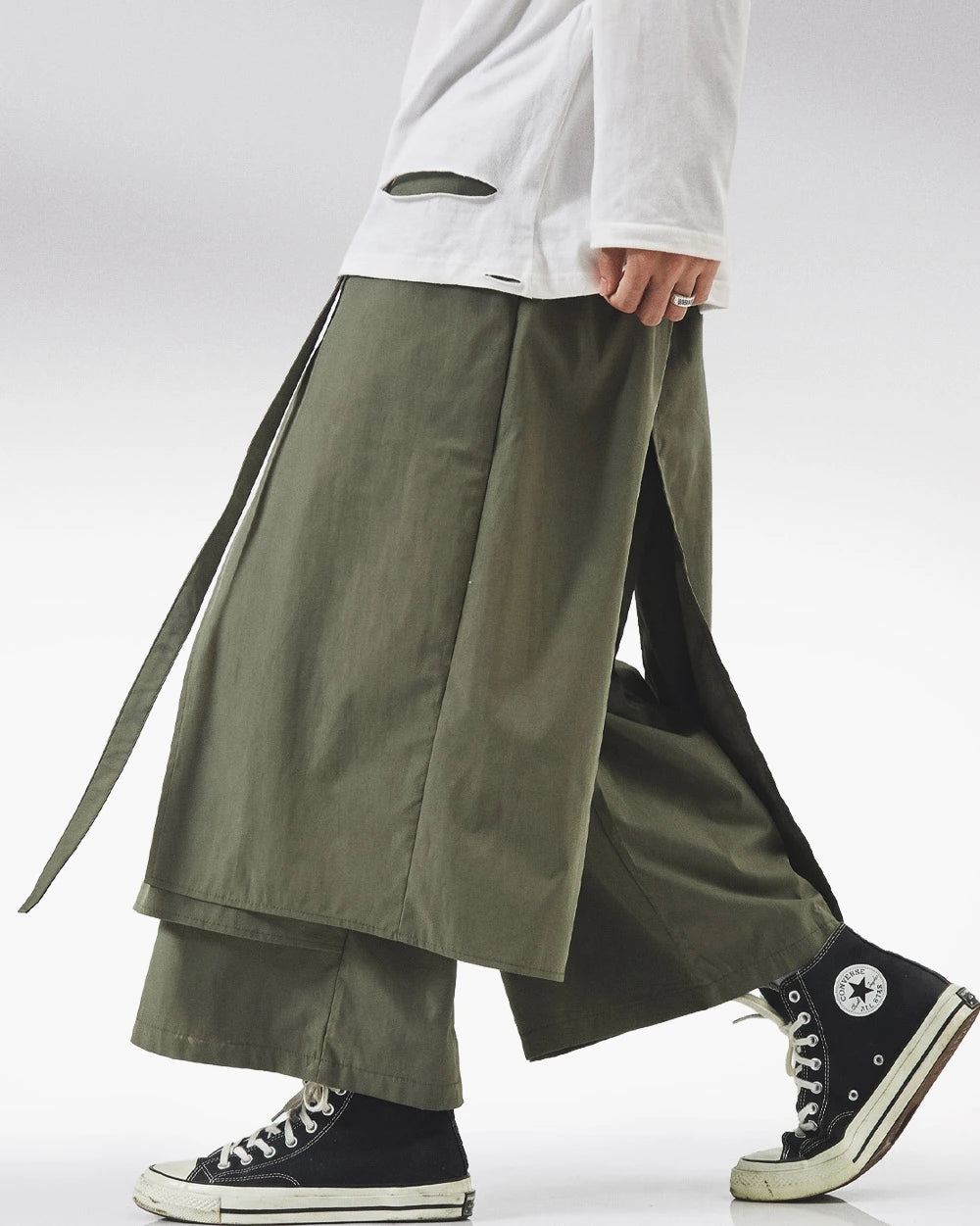
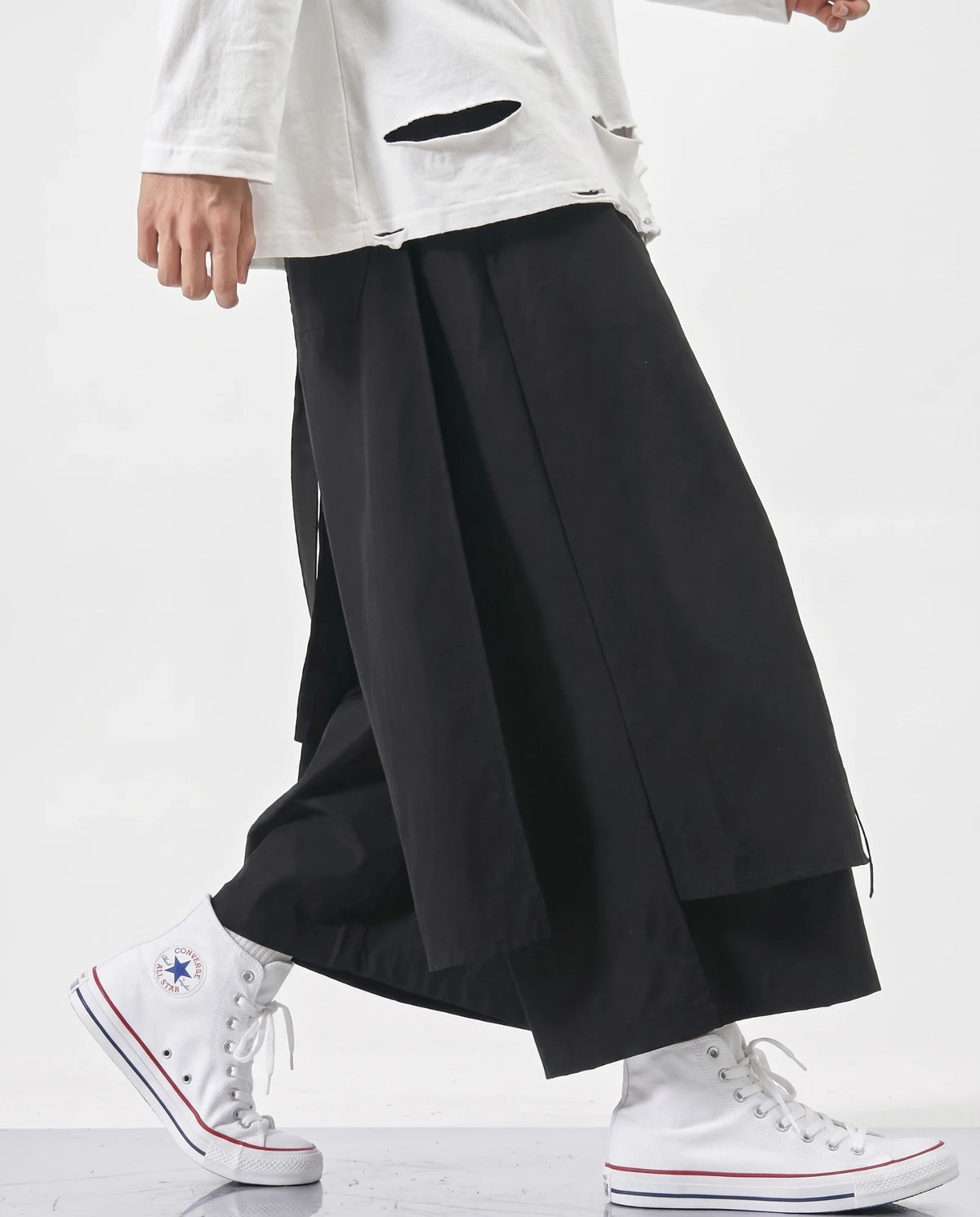
Modern Hakama Pants "Razuka"


Hakama Cargo Pants "Katazu"

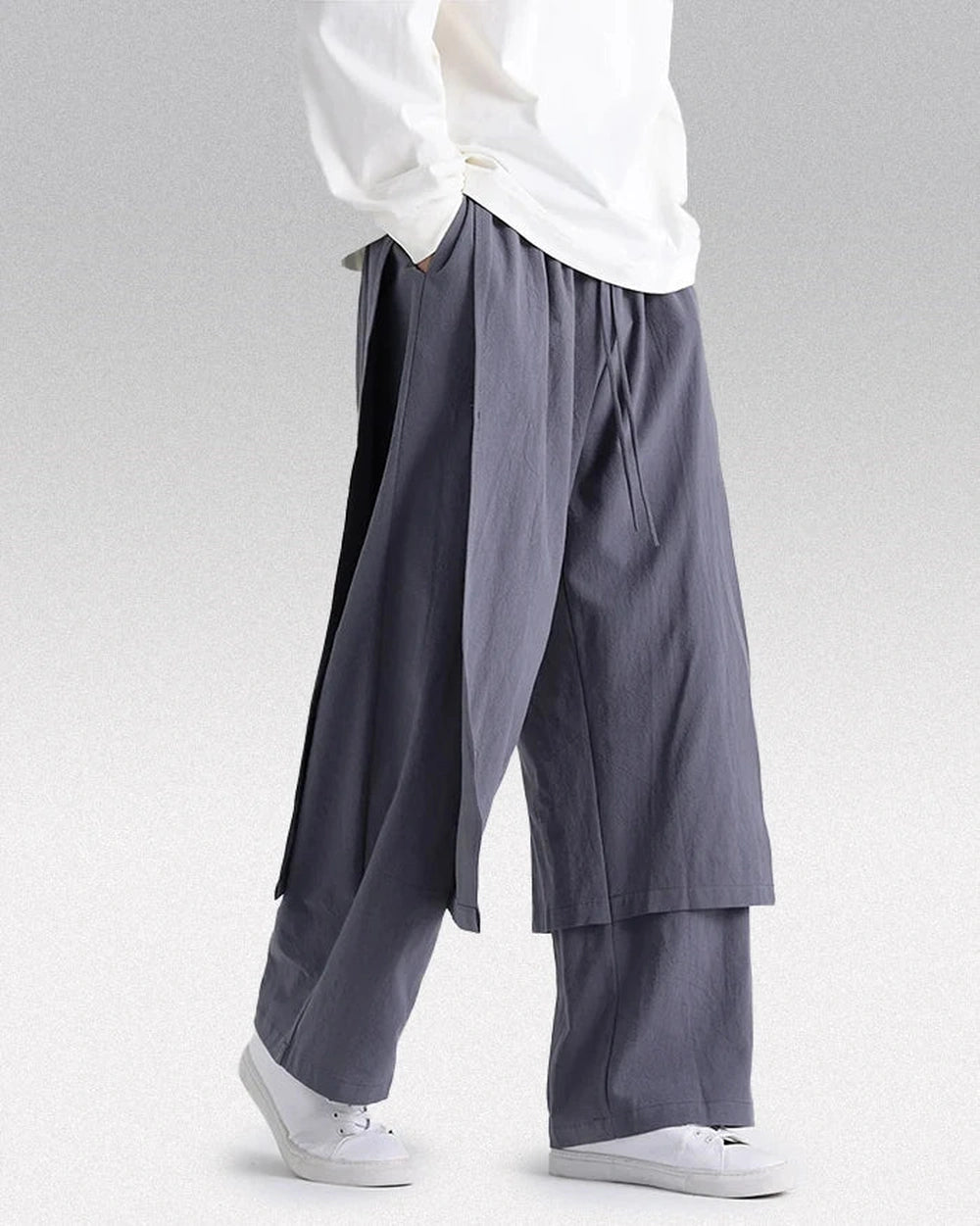
Hakama pants men "Kaido"


Hakama pants modern "Chimata"


Hakama Pants "Katara"


Samurai Pants "Kogama"


Hakama Style Pants "Isaha"


Hakama pants men's "Ono"


Hakama trousers "Inzai"


Hakama "Shiroi"


Velvet hakama pants "Asahi"


Hakama pants women "Isumi"


Women Hakama Pants "Sosa"


Women's hakama "Minami"


Japanese style pants women's "Sanmu"


Wide corduroy pants "Otango"


Hakama pants streetwear "Seiyo"


Harajuku Pants "Toon"

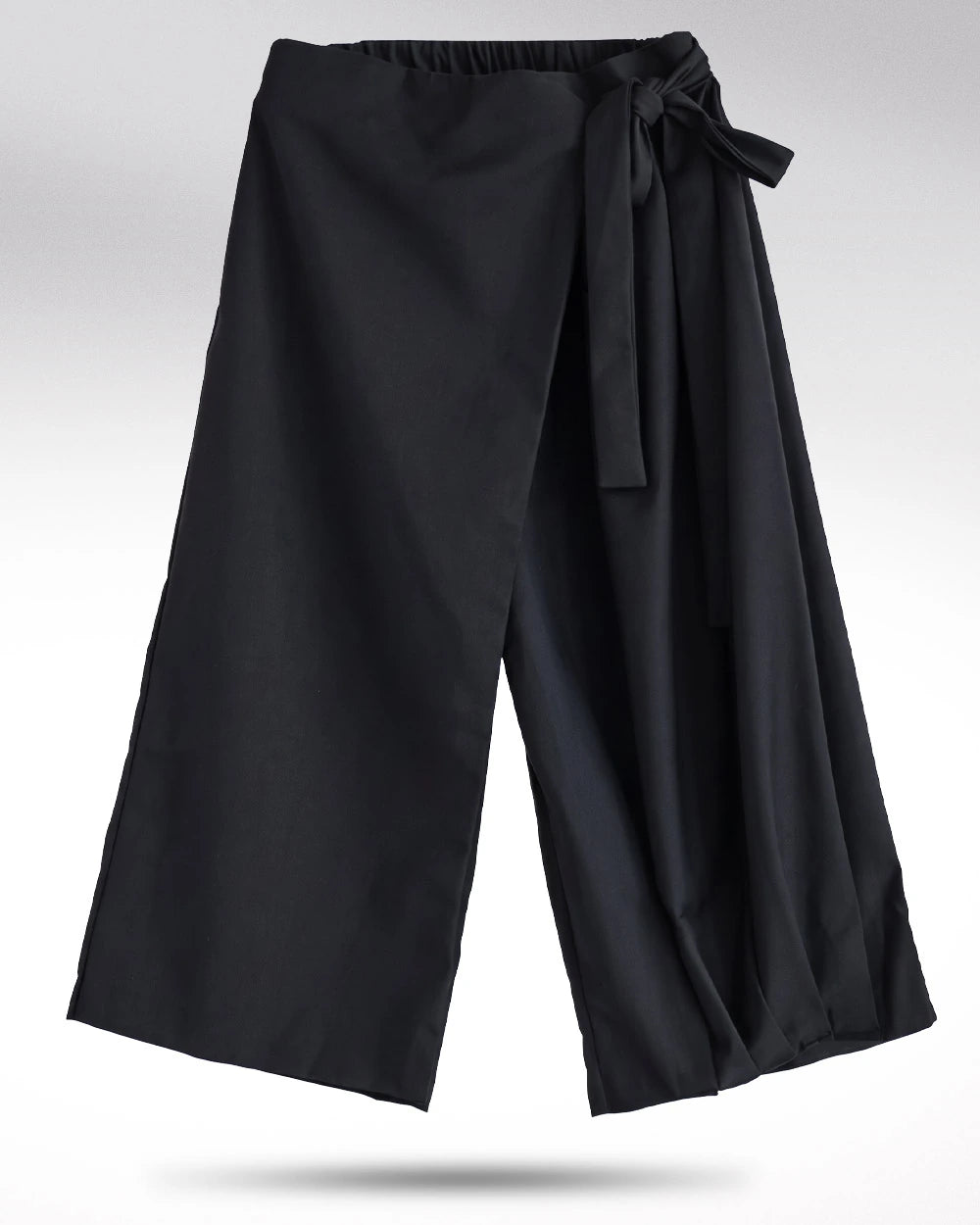
Hakama Pants Women's "Ozu"


Harajuku cargo Pants "Mabari"


Japanese wide leg pants men's "Yawata"


Cotton hakama pants "Tsuruga"


Japanese corduroy pants "Kurume"


Men's Short Hakama Pants "Asakura"


Grey Hakama Pants "Awara"


Corduroy cargo pants "Sakai"


Short Hakama Pants "Nogata"


Hakama inspired pants "Tagawa"


Japanese loose pants "Chikugo"


Hakama Pants "Okawa"
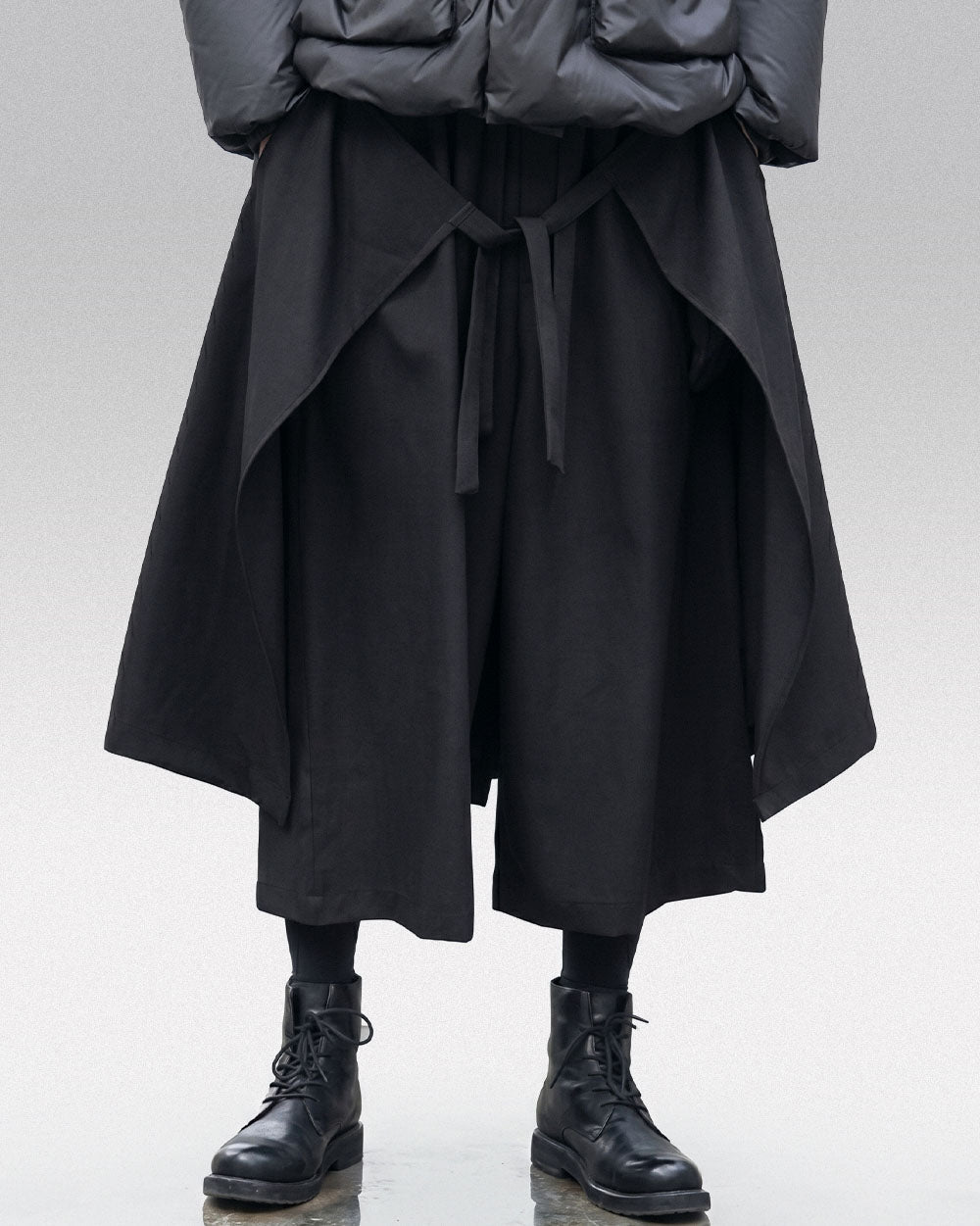

Japanese samurai pants "Onojo"


Black pants japanese "Dazaifu"


Hakama trousers black "Fukutsu"


Short hakama "Yawaka"


Long skirt pants "Hashima"


Women's double layered hakama pants "Yami"


Female hakama pants "Yochan"


Wide leg women's dress pants "Yatsu"


Women wide leg pants "Karao"


Hakama men "Nagawa"
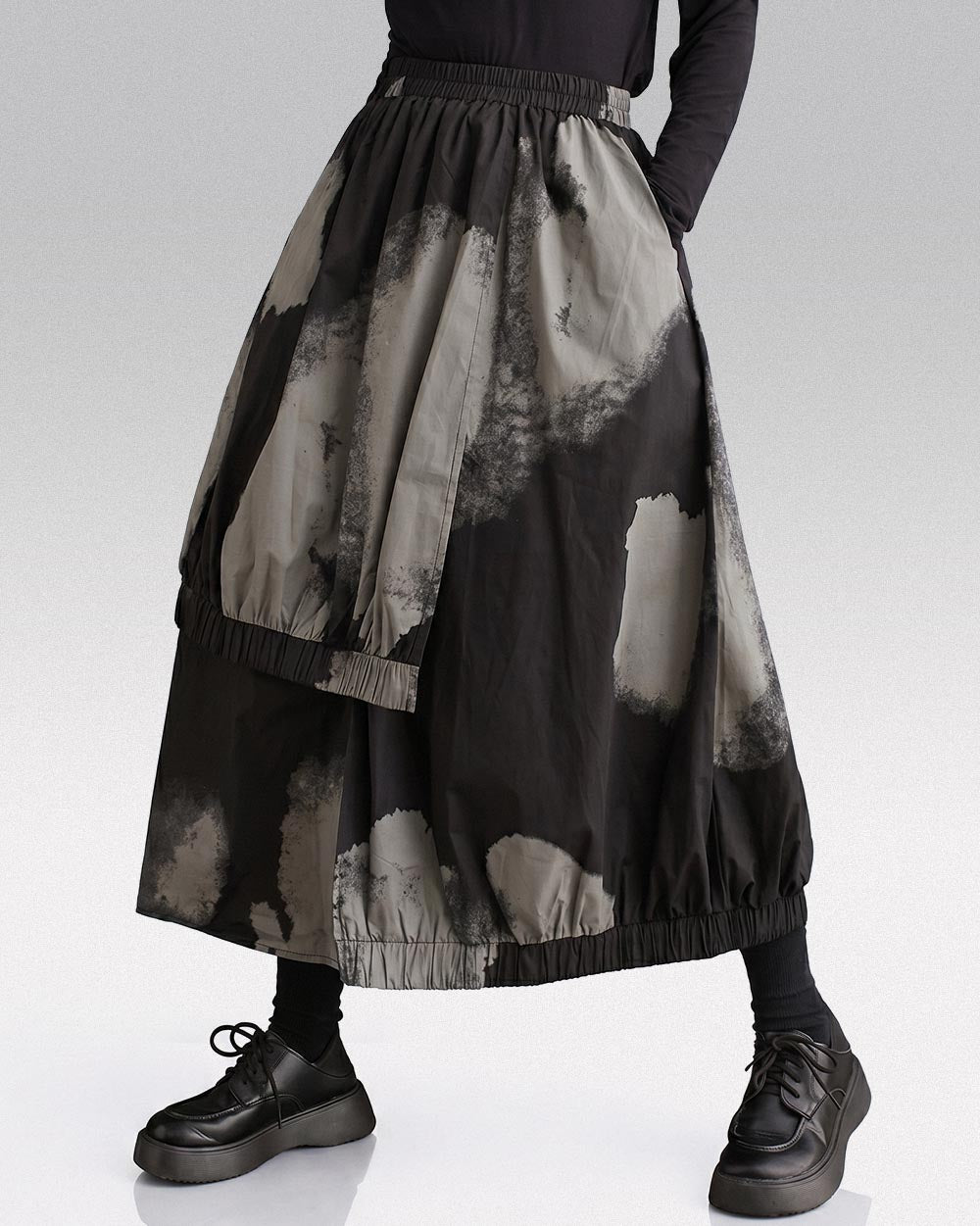
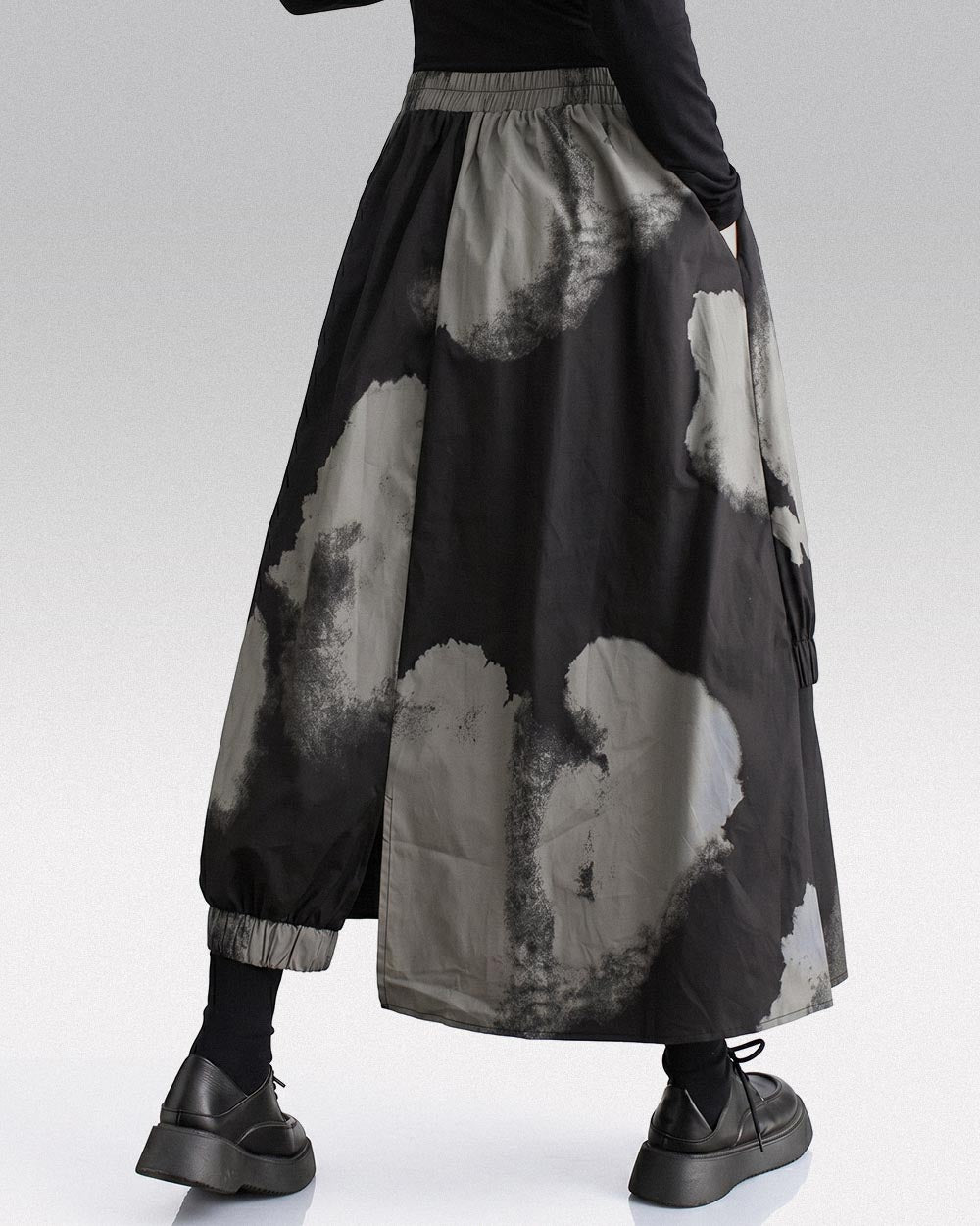
Wide leg dress pants women "Yamata"


Wide leg cargo pants for women "Minayo"


Wide legged pants women "Gamata"


Wide leg jeans women "Hagaya"


Wide leg dress pants for women "Yakusa"


Modern Women Hakama Pants "Asho"


Wide pants women "Kyoshi"
Hakama Pants: A Different Way to Wear Wide-Leg Trousers
Hakama pants from TECHWEAR STORM™ change the shape of an outfit before you add a jacket, a bag or even a pair of sneakers. Their appeal lies in the space between the body and the fabric: generous legs, deliberate folds, and a silhouette that looks striking without relying on loud graphics. Inspired by traditional Japanese clothing, contemporary hakama-style pants reinterpret that sense of volume for everyday streetwear. Some fall in long, fluid lines; others use cropped hems, overlapping panels or cargo details to create a more directional look.+ Read more− Read less
At TECHWEAR STORM™, this collection brings those interpretations together so you can compare the shapes that matter to you. Looking for black hakama pants with a minimal finish? Prefer utility-inspired trousers or a pair that shows off your footwear? Start with the product images above, then use this guide to understand fit, fabric and styling before choosing your size. These are modern fashion pieces, not substitutes for ceremonial Japanese garments or martial arts uniforms.

Find Your Hakama Silhouette
Wide-Leg Hakama Pants: Volume Without Excess
The classic contemporary interpretation starts with a broad leg. Unlike slim trousers, wide-leg hakama pants create a continuous outline from hip to hem. A softer fabric can fall into relaxed folds, while a more structured material makes the shape appear sharper. The effect is especially strong in profile: fabric moves independently of the leg, giving an otherwise simple outfit depth and motion.

Modern Hakama Pants: Traditional Influence, Everyday Details
Modern hakama pants take inspiration from Japanese dress without copying every element of a traditional garment. Elastic waists, conventional pockets and simplified closures can make a dramatic shape easier to wear day to day. The Modern Hakama Pants "Razuka", for instance, are offered in black and army green with an elastic waistband and a cotton-polyester composition. Those details are worth checking alongside the photographs, because convenience and silhouette should work together.
Hakama Cargo Pants: Utility Meets Draping
For a more technical visual direction, hakama cargo pants introduce utilitarian references to a flowing or oversized cut. Cargo pockets, contrasting panels and visible construction can break up large areas of fabric, making the silhouette feel more architectural. Explore the Hakama Cargo Pants "Katazu" as one option within this category, then inspect its individual product images to see how the details affect the shape.
There is a difference between looking functional and offering specific technical performance. Do not assume a fashion cargo design is waterproof, reinforced or suitable for demanding outdoor use unless its product specifications say so. If utility features matter more to you than a Japanese-inspired cut, browse the wider techwear pants collection for another point of comparison.

Cropped Hakama Pants: Make Room for Footwear
Shorter proportions bring a different energy. Cropped hakama pants keep the volume through the leg but reveal the ankle, sock or top of a boot. That visible break makes the outfit feel lighter and places more attention on sneakers. The Short Hakama Pants "Nogata" are a useful example of a shorter style; their product page lists a cotton-linen composition.

Layered and Skirt-Like Hakama Trousers
Overlapping fabric can produce a silhouette that resembles a long skirt from certain angles while retaining separate trouser legs. That ambiguity is part of the appeal of experimental Japanese-inspired fashion. Layered constructions bring movement to an outfit even when the color palette stays entirely black, and they pair naturally with long shirts, asymmetric tops and substantial boots. For another interpretation of overlapping proportions, compare our skirt pants collection.

Compare Hakama Pants Styles at a Glance
Not sure which direction to take? Use this table to narrow your options by silhouette and practical considerations. It describes general styles; the measurements and details on each product page remain the deciding factors.
| Style | Silhouette | Works well with | Check before buying |
|---|---|---|---|
| Wide-leg | Full, flowing volume | Minimal tops and clean sneakers | Hem width and overall length |
| Modern minimal | Broad shape, restrained detailing | Oversized tees and short jackets | Waistband and fabric drape |
| Cargo-inspired | Relaxed proportions with utility accents | Technical-looking outerwear | Pocket construction and actual features |
| Cropped | Wide leg ending above the shoe | High-top sneakers and boots | Inseam and intended hem position |
| Layered | Overlapping, sometimes skirt-like panels | Avant-garde monochrome outfits | Panel placement and ease of movement |
How Should Hakama Pants Fit?
The right fit is about controlled volume. Your trousers can look deliberately oversized through the leg while still fitting securely where they fasten. Pay attention to the rise: a lower crotch creates a dropped silhouette, while a higher rise can make the same leg width appear longer and more vertical. Neither is automatically better. What matters is the relationship between the waist, hip, hem and your preferred shoes.
Do not automatically size up to achieve a more dramatic silhouette. If a design is already cut generously, a larger size may add unwanted waist room and excessive length. The product-specific measurements are a more reliable guide than familiar S, M or L labels.

Hakama Pants Size Guide: What to Check Before Ordering
There is no universal size chart for every pair in this collection. Different patterns, suppliers and intended fits can produce different measurements, even when two products display the same letter size. Open the size chart on the exact product you want and compare it with your body measurements and a garment that already fits.
- Waist: Measure where the waistband will actually sit; check whether the listed figure is a body measurement or a garment measurement.
- Hips: Leave enough room for the intended drape, particularly if the waistband fits closely but the upper leg is structured.
- Rise: Notice how far the crotch sits below the waist; this changes both comfort and the appearance of the silhouette.
- Length: Compare the garment's full length or inseam with your favorite trousers, allowing for the shoes you plan to wear.
- Leg opening: Check how much fabric surrounds the shoe, especially if you want a sharp cropped look or an exaggerated full-length hem.
- Closure and fabric: Confirm whether the waist is elastic, adjustable or fixed, and review the listed composition rather than assuming the cloth stretches.
Fabric, Texture and the Way Hakama Pants Move
A dramatic silhouette is only half about its pattern. The other half is the fabric. Lightweight cloth may ripple and fold as you move; a firmer weave can hold a broad, deliberate shape. Cotton blends, synthetic fabrics, linen blends, corduroy and velvet-look finishes do not behave identically. Nor does a fabric name tell you everything: weight, weave and finishing also influence breathability, opacity and drape. Lighter compositions may suit warmer weather, while denser fabrics can feel more appropriate for cooler seasons; always check the actual material before buying.
If you want a clean, elongated outline, inspect how the material falls from the hip in the model photographs. For more visible texture, the Velvet Hakama Pants "Asahi" show how a velvet-style surface can change the way light plays across a wide silhouette. Always check the individual material specification, because a descriptive style name is not a complete fiber breakdown.

How to Style Hakama Pants Without Losing the Shape
Minimal Japanese Streetwear
Begin with a simple contrast: wide trousers, quiet top. A plain black tee, a boxy off-white shirt or a fine-gauge knit lets the leg shape stay in focus. Low-profile sneakers create a clean finish; substantial shoes add weight at the bottom. Black on black can be especially effective when the fabrics have different textures. You do not need a costume-like outfit to make Japanese-inspired trousers look intentional.
Darkwear and Avant-Garde Layering
For a more sculptural outfit, consider the entire outline from shoulder to hem. A long, asymmetric top can echo the movement of the pants, while a cropped outer layer makes the waist and leg volume more pronounced. Keep the palette disciplined so different textures and lengths remain legible. The effect should come from proportion rather than piling on unrelated details.

Urban Utility and Techwear-Inspired Looks
Pair cargo-influenced trousers with a shorter shell, structured vest or compact crossbody bag. This creates tension between a loose lower half and more defined upper-body layers. If both the jacket and trousers have pockets, straps and panels, simplify the rest: one functional-looking accessory is often enough. Your goal is a readable silhouette, not the maximum possible amount of hardware.

Relaxed Everyday Outfits
For daily wear, hakama-inspired pants can work with a heavyweight tee, relaxed sweatshirt or simple hoodie. The easiest formula is to repeat one proportion: wide pants with a boxy top, or wide pants with a neater top tucked just enough to show the waistband. An understated pair of trainers keeps the outfit casual. If the trousers are already highly layered, reduce the visual volume elsewhere.
Hakama Pants for Men, Women and Personal Style
Fashion silhouettes do not have to follow a strict gender rule. Men's hakama pants are often styled with cropped jackets, oversized tees and boots, while women's styling may emphasize a higher waist, tucked tops or the contrast between fluid trousers and a fitted layer. Those are possibilities, not restrictions. The garment's measurements and shape matter more than the label attached to it.
This broader collection includes different approaches to the look. If you want a more focused selection of feminine cuts and sizes, browse our women's hakama pants. Compare measurements across both pages rather than assuming that similarly named styles will fit alike.

Hakama Pants vs. Harem Pants and Regular Wide-Leg Trousers
These categories can overlap in photographs, but their design emphasis is different. Hakama-style trousers often reference the broad, sometimes pleated or layered outline associated with Japanese dress. Conventional wide-leg pants may deliver similar volume through a simpler trouser pattern. Harem pants more often emphasize a dropped crotch, gathered fabric or taper toward the ankle, although modern designs vary widely.
If you like roomy trousers but want a softer, gathered shape rather than a long drape, compare our harem pants. If your priority is volume with minimal reference to traditional Japanese clothing, baggy pants may be closer to your everyday wardrobe. These links are alternatives, not interchangeable names for the same construction.
Are Modern Hakama Pants the Same as Traditional Japanese Hakama?
No. Traditional hakama belong to Japanese dress and have established forms, including divided and undivided styles, with specific methods of wearing and fastening. They may be used for ceremonies, formal occasions or certain martial arts. Modern fashion trousers borrow selected visual ideas, such as ample proportions, pleats or flowing fabric, but commonly use different construction and closures.
That distinction matters when shopping. A pair of contemporary streetwear pants is not automatically suitable for aikido, kendo or a traditional event. If you need clothing for a formal or disciplinary purpose, follow the relevant requirements. For more background on the garment and its history, read our overview of hakama pants; this collection guide concentrates on choosing and styling the modern versions.

Caring for Your Hakama-Style Trousers
Care should follow the garment's actual fabric and label, not its silhouette. Before washing, check for removable details, delicate panels or instructions related to color transfer. Turning a suitable garment inside out may help reduce surface abrasion, but the label takes priority. Avoid assuming that a cotton blend and a textured velvet-style fabric can be treated the same way.
Hakama Pants: Frequently Asked Questions
What are hakama pants?
In contemporary fashion, the term usually refers to wide, flowing or pleated trousers inspired by the silhouette of traditional Japanese hakama. The exact cut varies by product. A fashion pair may have an elastic waistband, cargo pockets or conventional trouser legs rather than traditional fastening.
How do I choose between long and cropped hakama pants?
Choose a longer pair if you want a continuous silhouette that interacts with the top of your footwear. Choose cropped trousers if you want a clear break above the shoe and greater visibility for sneakers or boots. Your height and the garment's measurements will determine the final effect.
What shoes go with hakama pants?
Low-profile sneakers create contrast with wide fabric; chunky trainers give the hem a stronger base; boots work particularly well with darker, layered outfits. Rather than following one rule, check whether the pants end above, at or over the shoe. The relationship between hem and footwear is what makes the pairing work.
Are all hakama pants pleated?
No. Pleats are an important element in many traditional hakama and some contemporary interpretations, but fashion retailers also use the name for unpleated, wide-leg or layered designs. Study the photographs and construction details if pleating is a feature you specifically want.
Can women and men wear the same hakama-inspired styles?
Often, yes, in terms of styling. However, a gender-neutral appearance does not guarantee identical sizing. Compare waist, hip, rise and length measurements, then choose the cut that produces the proportion you prefer. Product-specific charts are more useful than broad labels.
Choose Your Next Pair of Hakama Pants
Then make the practical checks: size chart, fabric, closure and hem length. Explore the hakama pants above, open the products that match your style, and compare their real specifications before ordering. The strongest look is not the busiest one. It is the pair whose shape feels right with the rest of your wardrobe.